Jack Ye
Jack Ye avatar

Jack Ye

Birthday出生日期
Gender性别
Male男
Profession职业
IT EngineerIT 工程师
Email邮箱
oxjackye@qq.com
Languages语言
English, Chinese英文、中文
Education学历
B.Sc. in Computer Science计算机科学本科

Experience履历

Where I’ve worked so far.目前为止的工作经历。

Work Experience工作经历

  1. DSV Air & Sea Co., Ltd.得斯威国际货运有限公司

    得斯威国际货运有限公司DSV Air & Sea Co., Ltd.

    IT EngineerIT工程师

    Nanjing南京

  2. Beijing Rongda Technology Co., Ltd.北京荣大科技股份有限公司

    北京荣大科技股份有限公司Beijing Rongda Technology Co., Ltd.

    Project Assistant Intern项目助理实习生

    Shenzhen深圳

  3. Z.AI Co., Ltd.北京智谱华章科技股份有限公司

    北京智谱华章科技股份有限公司Z.AI Co., Ltd.

    Software Development Assistant Intern软件开发助理实习生

    Beijing北京

Projects项目

Two full-stack projects that put language models to practical use.两个把大模型用在实际问题上的全栈项目。

AI travel planning · Full stackAI 旅行规划 · 全栈项目

AItourAI旅游助手

GitHub

An AI travel planner that turns an open-ended request into a geographically verified, route-aware itinerary ready to use on a real map.把一句模糊的旅行愿望,变成经过地理校验、带有路线规划并能在真实地图上执行的结构化行程。

Self-review loop生成后自检
DeepSeek reviews its own itinerary and triggers one controlled regeneration when it finds a serious flaw.DeepSeek 会复核自己生成的行程,发现严重问题时触发一次受控重生成。
Long-trip resilience长行程稳定性
Trips of 12+ days use a complete skeleton and seven-day detail chunks to avoid truncated JSON.12 天以上行程采用完整骨架与每 7 天分段生成,避免长 JSON 被截断。
Geographic guardrails地理真实性校验
Country, city viewport, administrative area and place name are cross-checked to block same-name attractions in the wrong city.交叉验证国家、城市视口、行政区和地点名称,拦截位于错误城市的同名景点。
Local-first history本地优先记录
Generated plans are kept in IndexedDB, preserving user history without adding a project database.生成记录保存在 IndexedDB,无需额外搭建项目数据库也能保留用户历史。
  • React 18
  • Vite 5
  • Node.js
  • DeepSeek
  • Google Maps
  • IndexedDB

AI matching · Full stackAI 智能匹配 · 全栈项目

RoommateDistributor智能舍友分配系统

GitHub

A full-stack dormitory operating system that combines deterministic personality modeling, hard schedule constraints and LLM reasoning to form more compatible rooms.不是让大模型直接“拍脑袋分宿舍”,而是以作息硬约束收敛解空间,再用 OCEAN 性格模型和 DeepSeek 优化组合,形成更契合的宿舍。

9D to OCEAN9 维性格建模
Nine Likert dimensions are converted into a deterministic Big Five profile, so identical inputs always receive a consistent interpretation.将 9 维李克特量表转化为确定性的五大人格画像,相同输入始终获得一致解释。
Three-layer allocation三层分配架构
Schedule clustering narrows the solution space, AI optimizes personality compatibility, then each room receives an explainable report.先按作息聚类缩小解空间,再由 AI 优化性格兼容度,最后为每间宿舍生成可解释报告。
Safe fallback可靠降级机制
If the AI service fails, the system preserves the deterministic schedule-based allocation instead of blocking the workflow.AI 服务失败时保留基于作息的确定性分配结果,不让核心流程因外部模型而中断。
Operations interface宿舍运营界面
Administrators can inspect floors, rooms and beds, review compatibility, and drag, swap or remove occupants manually.管理员可查看楼层、房间和床位,检查兼容性,并通过拖拽、交换或移除完成手动调整。
  • Vue 3
  • Node.js
  • Express
  • MySQL 8
  • DeepSeek
  • Aliyun OSS阿里云 OSS

Blog博客

Essays on investing, learning and the occasional self-experiment.关于投资、学习与自我实验的随笔。

All posts全部文章

The Psychology of Investing关于投资的心理学

Why we like an asset more once it gets expensive, why selling often treats pain rather than risk, and why the trader on the other side may be your future self.为什么东西越贵我们越想买,为什么很多卖出治的是心里的疼而不是风险,以及为什么和你交易的,可能是未来的你自己。

Read article阅读全文
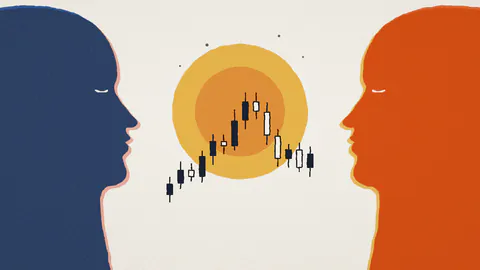
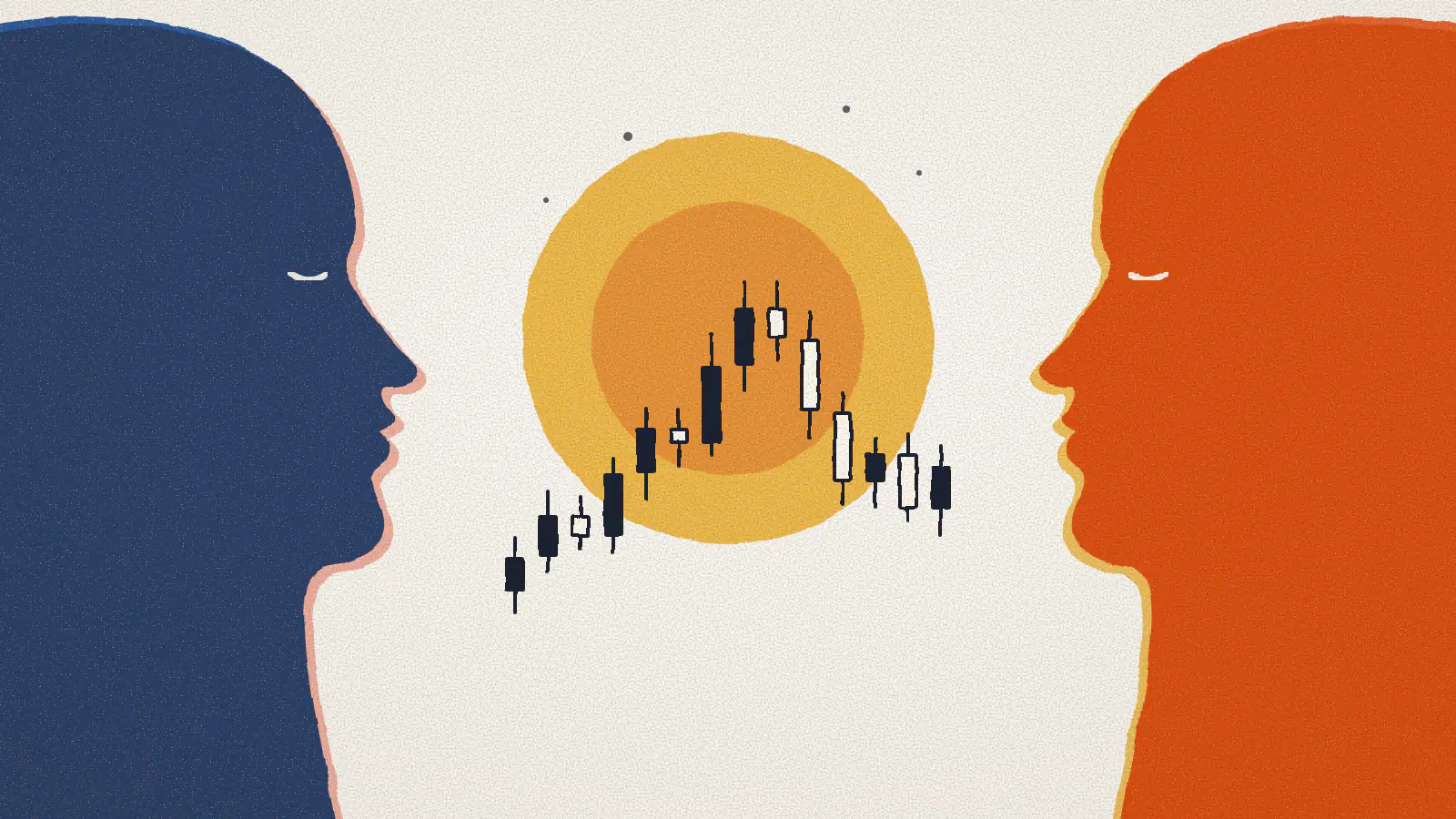
Two identical profiles face each other across a price chart that rises and falls between them

When something in a supermarket drops from 100 yuan to 70, most people think they’ve found a bargain. Same product, lower price, more reason to buy.

Markets often run the other way. An asset climbs from 100 to 150 and people start to think it might be worth owning. At 200, more of them are talking about it. At 300, even people who never cared begin doing their homework. Only when everyone around them seems to be making money do many finally talk themselves into it: “Okay, this thing really is good.”

On the way down, the film runs backward. They like it at 100, start to wonder at 90, go back over the risks at 70, and at 50 they suddenly find it riddled with problems. Then they sell, on the gloomiest day of all.

If nothing about the asset has changed, that’s a strange way to behave. It gets more expensive and people like it more; it gets cheaper and they like it less. Investing may be one of the few markets where raising the price brings in more buyers. That’s a big part of why I’ve come to believe the hard part of investing was never analyzing the asset. It’s analyzing yourself.

A Different Brain on the Way Down

Before they put any money in, most people believe they’re rational. They read the financial statements, study the industry, follow the economy, work out a valuation and set an entry price. They even tell themselves, quite sincerely, “If it drops, I won’t panic.”

That’s easy to say while the market is calm. The drop itself is another matter. When the 100,000 yuan in your account turns into 80,000, something in your head starts to bend. What you used to call “short-term volatility” now goes by “risk.” The bad headlines you once scrolled past are suddenly impossible to ignore. Small problems you’d waved away look enormous overnight. You start hunting for bearish takes, reading one after another, until one day you can’t stand it anymore and you sell.

The moment you sell, you usually feel relief. That relief tells you something: a lot of selling doesn’t solve investment risk at all. It solves pain.

We are acutely sensitive to losses. The pleasure of making 10,000 yuan rarely makes up for the sting of losing 10,000. Say an investment rises from 100,000 to 120,000 and then slides back to 100,000. On paper you’re right where you started, but it rarely feels like nothing happened. It feels like you lost 20,000, because somewhere along the way that 120,000 quietly became your money.

Unrealized gains turn into private property in the mind long before anything is sold. So when the price slips from 120,000 to 110,000, your brain doesn’t say, “I’m still up 10,000.” It says, “I just lost 10,000.” If the price keeps falling, the pain keeps piling up. Eventually your decisions have little to do with future returns and a lot to do with a much simpler question: what would make me feel better right now?

Greed Never Introduces Itself

It works the same way on the way up. When an asset first starts to rise, people are cautious. The more it rises, the less cautious they get. Someone who once thought 10 percent a year was excellent starts treating 20 percent as normal after a good run. Someone who planned to sell at a 30 percent gain gets there and starts thinking about 50. At 50, the question becomes: why not double? The finish line keeps moving back, and that’s what makes greed so slippery.

Greed doesn’t walk in and announce itself. It arrives dressed as a perfectly reasonable argument. “The fundamentals have improved.” “The market is bigger than I thought.” “This time is different.” “The trend is so strong that if I sell now, I may never get back in.” Any one of these might be true. The danger is how hard it is to tell whether you’re reassessing the facts or simply feeling better because the price went up.

Prices don’t only change how much you have. They change how you read the world. While an asset is rising, good news is easy to believe. A new product means huge growth ahead. A new policy confirms the long-term trend. Institutional buying is the smart money giving its blessing. A competitor dropping out means the industry is getting healthier. Once the same asset starts to fall, the same events get retold. The product might flop. The policy is uncertain. The institutions were probably just trading. Competition is only going to get worse.

Often the facts haven’t changed at all. Only the price has. The price changes your mood, your mood decides which information gets through, and the information that gets through proves your mood was right. From the inside, that loop is almost impossible to see.
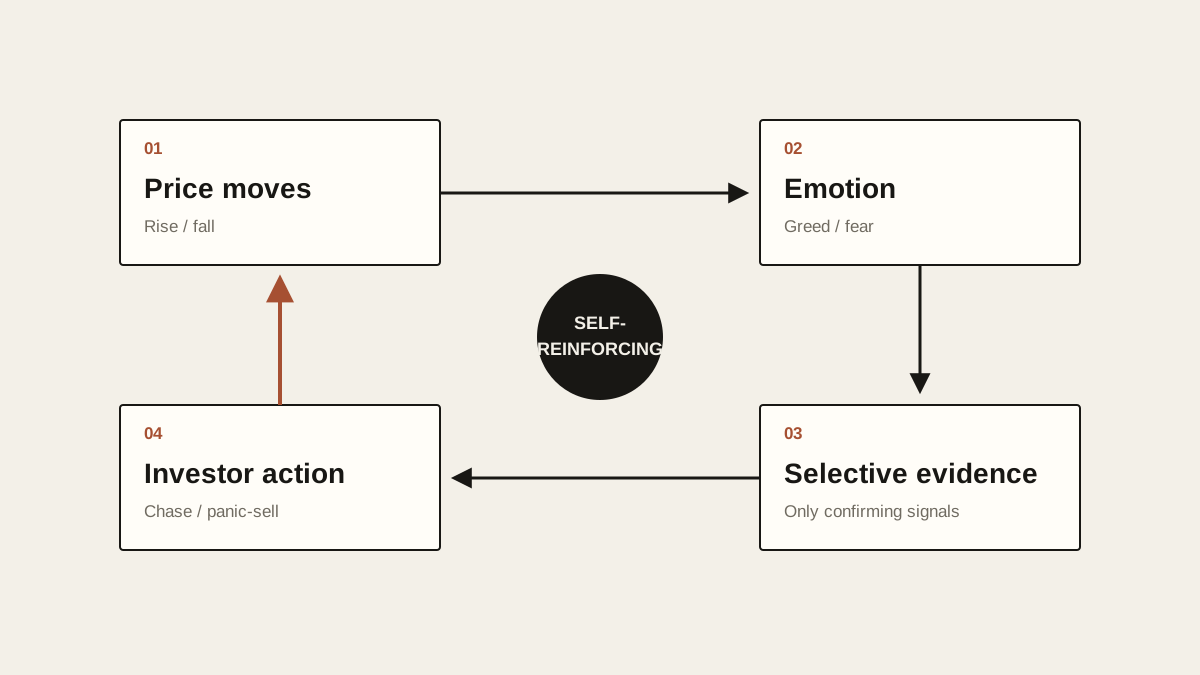
A loop showing price movement, emotion, selective evidence, and investor action reinforcing one another
Figure: The price moves, the mood follows, the mood picks the evidence, and the next trade pushes the price again.

We like to think we look at the evidence first and form an opinion afterward. More often the opinion shows up first, and then we go looking for evidence. In a rising market, a holder collects every reason it should keep rising. In a falling market, the same person collects every reason to sell. The internet makes this much worse, because whatever you want to prove, there’s more than enough material to prove it. Think the market is headed up? Dozens of bullish reports are waiting for you. Think it’s about to crash? There are dozens of tightly argued bearish ones too. There is far too much information now for information alone to give you an answer. Most of what people see in the market is the part of reality they’re willing to see.

The Market Doesn’t Know What You Paid

Then there’s your cost basis, which is a fascinating thing.

People get almost sentimental about the price they paid. Buy at 100, watch it fall to 80, and the thought that comes up most often is, “I’ll sell when it gets back to 100.” It sounds completely natural. Look at it closely and there isn’t much logic in it. The market doesn’t know you paid 100. Neither does the company’s management, or anyone else trading it. The company’s future cash flows won’t move a cent because of what you paid.

If the asset is now worth only 50, climbing from 80 back to 100 doesn’t become more reasonable just because you once bought it at 100. If it’s really worth 200, selling at 100 because you’ve “broken even” makes no more sense. A cost basis is a historical record, nothing more. In your head, though, it quickly becomes an anchor, and gains and losses get redefined around it. An asset at 80 isn’t red or green in itself. Put “-20%” next to it in a trading app and it suddenly feels completely different.

Much of the time we aren’t judging what something is worth. We’re judging how far it is from my price.

When Everyone Else Is Making Money

A bull market has another powerful force: watching other people get rich.

Losing money hurts, of course. But watching others make money while you make none can hurt too. Maybe you had no plans to buy something. A friend makes 30 percent, and you shrug. Another makes 50. Social media picks it up, the news starts covering it, and more and more people post screenshots of their gains. One day you start to wonder whether you’ve missed something. The higher the price goes, the stronger that feeling usually gets. By the end, the expected return barely figures in. People buy because they can’t stand the thought of being left on the platform for good.

The memory-chip rally in the first half of this year gave me a serious case of FOMO. Whether I was on Douyin or Twitter, it only took a few posts or videos to find people showing off their trades. Some had made several times their money on SanDisk, SK hynix and Micron. But I didn’t feel I understood the industry, so in the end I didn’t buy.

That’s also why so many people ignore an asset when nobody wants it and only develop a burning urge to research it after it has gone up several times over. A rising price creates its own credibility.

We lean heavily on the judgment of the group, and in everyday life that usually works. A long line outside a restaurant generally means the food isn’t bad. A product with 100,000 good reviews is generally a safer bet than one with none. Markets have a catch. When everyone buys because other people are buying, their buying pushes the price up further. The rise becomes proof of the rise, more people pile in, and eventually the price itself is the strongest argument there is.

The same thing happens on the way down. Everyone is selling, so the price falls. The falling price seems to prove the risk is real, so more people sell. Crowds can produce mania and panic alike. And the people inside a crowd almost never feel they’re following it. They feel they’ve reached their own independent conclusion.

Comfort Is Usually Expensive

We also love to assume that whatever happened recently will keep happening. After a market has climbed for a few years, people treat rising prices as the natural state of things. After a year of falling, they feel the bad times will never end.

History has run this play countless times. When prices are at their best, the news usually looks its best too: profits are growing, the economy is booming, confidence is high, and everyone can find a reason to stay optimistic. When prices are at their worst, things often really are bad: recession, layoffs, one piece of bad news after another, and everyone can find just as many reasons to stay gloomy.

That’s what makes investing so counterintuitive. A genuinely cheap asset almost never feels safe. If every problem had been solved and everyone felt confident, it probably wouldn’t be cheap anymore. Expensive moments, meanwhile, tend to feel wonderful. Your account goes up every day, the headlines are good, the people around you are making money, and the future looks bright. Risk rarely shows up wearing a T-shirt with RISK printed across the front. More often it looks like certainty.

Making money also makes us overrate ourselves. Someone who gets their first three trades right rarely concludes, “Maybe I was lucky.” The more common thought is, “I think I’m actually good at this.” So 10,000 yuan becomes 50,000. Simple assets give way to complicated ones. Leverage, which they once wouldn’t touch, starts to seem fine in small doses.

Profit brings more than money. It brings confidence, and confidence makes you willing to take more risk. That’s why making a lot of money early can be one of the most dangerous ways to start. A loss at least forces you to question your method. A winning streak can convince someone who has never been through a full market cycle that they’ve cracked some kind of code. By the time real volatility arrives, they may be carrying far more risk than they ever did at the start.

One Centimeter, One Hundred Meters

So talking about “mental toughness” isn’t enough. An investor’s psychology is shaped, to a large degree, by position size.

A 30 percent drop in a 10,000-yuan position and a 30 percent drop in your entire savings are two completely different psychological experiments. The first might make the asset look cheaper. The second might have you refreshing quotes at three in the morning.

In theory, the same person should reach the same judgment about the same asset. In practice, change the position size and you can end up with a different person. Every dip pushes some real goal a little further away: the down payment on a home, a child’s tuition, years of savings, retirement. Once those things are tied to a number on a screen, even a calm person will struggle to treat it as a math problem.

A lot of what we call investment psychology is really risk management. If an ordinary fluctuation is enough to make someone abandon their whole investment thesis, the problem may not be weak willpower. The position may simply have been too big from day one. Picture a board one centimeter off the ground: anyone can walk across it. Lay the same board between two buildings, one hundred meters up, and your whole body locks. Your sense of balance hasn’t vanished. What’s changed is the cost of a mistake.

The same board close to the ground and spanning between high buildings, showing how position size changes the cost of a mistake
Figure: Same board, same sense of balance; only the cost of a slip has changed. Position size does the same thing to judgment.

Investing works the same way. Plenty of people are perfectly rational in a paper-trading account and turn into someone else the moment real money is involved. There’s nothing strange about that. Real money brings real emotion.

A Contract With Your Future Self

That’s why I’ve always thought “stay rational” is close to useless as investment advice. Nobody becomes irrational because they didn’t know they were supposed to be rational. No one needs lessons in fear during a crash, or in greed during a long rally.

These reactions are far older than financial markets. Fear kept our ancestors away from danger. Sticking with the group improved the odds of survival. Loss aversion made people protect what they already had. In the wild, reacting fast to the latest information probably worked better than slowly building a probability model. The trouble is that we’ve carried a brain built for survival into a market built from numbers, probabilities and long-term compounding. Instincts that once kept us alive can turn into weaknesses here.

So the most useful approach probably isn’t trying to become someone without emotions. Those people barely exist. The realistic approach is to accept that the emotions will come, and to set the rules in advance so they have less power when they do.

Before you buy, answer a few questions. Why am I buying this? What exactly do I see in it? What would prove me wrong? What’s the most I’m willing to lose? If this position were cut in half, would it affect my normal life? If the price rises a lot, has the value actually changed, or only the price? If the price falls a lot and my original reasoning still holds, what will I actually do?

Those questions are easy to answer before you buy, while money hasn’t yet started working on your emotions. Once you own the thing, they get much harder. People start revising their answers, and they almost never admit that’s what they’re doing.

That may be the most important job an investment plan has. It isn’t there to predict the future; nobody can. It’s closer to a contract, written by your calm past self for your emotional future self. After a rally, that future self may believe everything can keep going up. After a crash, the same self may believe the world is ending. If you let each moment’s mood rewrite the rules, you don’t have a strategy at all. You have reflexes.

None of this means you should cling to your first opinion forever. Refusing to admit a mistake isn’t discipline. If new facts show you were wrong, changing your mind is the right call. The hard part is telling things apart. Did the facts change, or only the price? Did the thesis break, or does losing money just hurt? Is the asset really becoming more valuable, or do you want to believe it is because you’ve made money on it?

That may be one of the hardest questions in investing, because you’re both the judge and the defendant. You have to decide whether your judgment has been bent by emotion, and the one doing the deciding is the same brain.

So I don’t believe that memorizing a few terms like loss aversion, confirmation bias and anchoring is enough to beat them. Knowing you have a bias doesn’t make it go away. Most of us know staying up late is bad for us, and we stay up anyway. Knowing sugar is bad for you doesn’t stop you wanting the cake when it shows up. We’re wired to chase what feels good and avoid what hurts, and investing is no exception.

Theory is easiest to understand after the market closes. The real exam begins when your account is shrinking every day, or when everyone around you insists that this time really is different.

In the end, the contest that matters in investing may be the one between you and yourself. The market just keeps quoting prices. The fear, greed, regret, hope, envy and confidence all come from you. When prices rise, there’s a version of you that keeps getting greedier. When they fall, there’s one that keeps getting more frightened. After a few wins, there’s yet another, quietly convinced you’re smarter than everyone else. They all live in the same body, and each runs on a completely different investment logic.

The person on the other side of your trade is never just someone else in the market. It’s also your future self.

A good investment system doesn’t have to call the next rise or fall. Its more important job is to settle the rules before that other version of you shows up, so that it doesn’t get the final say.

Because the market’s real talent was never taking people’s money. It changes how they feel first, and then lets them make the losing decision with their own hands.
超市里一件东西从一百块降到七十块,大多数人会觉得捡了便宜。东西还是那个东西,价格低了,自然更想买。

金融市场常常反着来。一项资产从一百涨到一百五,开始有人觉得它值得买;涨到两百,讨论它的人多了起来;涨到三百,连原本毫无兴趣的人也开始研究。等到身边所有人都在赚钱,很多人才终于说服自己:“这东西确实不错。”

跌的时候,剧情倒着再放一遍。一百块时觉得它很好,九十块开始犯嘀咕,七十块回过头去重新研究风险,跌到五十,突然发现它浑身都是毛病,最后在最悲观的那一天把它卖掉。

如果资产本身什么都没变,这件事其实相当荒唐:东西变贵了,人反而越来越喜欢;东西变便宜了,人却越来越讨厌。投资大概是少数几个越涨价越有人抢着买的市场。也正因为这样,我越来越觉得,投资真正难的部分从来不是分析资产,而是分析自己。

跌下来以后,人会换一个脑子

很多人在开始投资以前,都相信自己很理性。研究财报,研究行业,研究宏观经济,算好估值,定好买入价,还会认认真真地告诉自己:“就算跌了,我也绝对不慌。”

这种话在市场平静的时候最好说。真跌下来,是另一回事。账户里的十万变成八万,脑子里很多东西会悄悄变形:原来叫“短期波动”的东西,现在叫“风险”;以前懒得点开的负面新闻,变得格外刺眼;之前觉得无关紧要的小问题,一夜之间全成了大问题。你开始一遍遍地搜悲观的观点,直到某一天终于忍不住,卖了。

卖完的那一刻,人通常会长出一口气。这口气很能说明问题:很多卖出解决的根本不是投资风险,而是心里的疼。

人对亏损极其敏感。赚一万块的快乐,往往抵不过亏一万块的难受。一笔投资从十万涨到十二万,又跌回十万,账面上一分钱没少,可你的感受很难是“什么都没发生”,更像是“我亏了两万”。因为在某个瞬间,那十二万已经被你默认成了自己的钱。

没卖出去的浮盈,在心里会提前变成私人财产。所以价格从十二万跌到十一万的时候,大脑不会说“我还赚着一万”,它只会说“我刚刚丢了一万”。价格再往下走,这种疼会一层一层叠上去。到最后,很多决定已经和未来的收益没什么关系,只围绕一个更朴素的问题:怎么做,才能让自己好受一点?

贪婪从来不自我介绍

涨的时候也一样。一项资产刚开始涨,人还挺谨慎;涨得越多,谨慎反而越少。原来觉得年化百分之十已经很好的人,连涨几轮以后,会觉得百分之二十才算正常。原本打算赚三成就走的人,真赚到三成,又开始惦记五成;到了五成,又想:凭什么不能翻倍?终点线一直在往后挪,这就是贪婪最麻烦的地方。

贪婪不会突然冒出来,很诚实地跟你打声招呼:“我来了。”它总是穿着一身很讲道理的衣服:“基本面变好了。”“空间比原来想象的大。”“这次不一样。”“趋势这么强,卖了可能就再也买不回来了。”这些话单拎出来,每一句都可能有道理。真正危险的是,你很难分清自己是在重新评估事实,还是只因为价格涨了,人跟着乐观了起来。

价格不光会改变你的财富,还会改变你解读现实的方式。涨的时候,利好消息听起来格外可信:公司出了新产品,那是巨大的增长空间;行业来了新政策,那是长期趋势被确认;机构在买,那是聪明钱认可;竞争对手退出,那是格局变好了。同一项资产一旦开始跌,同样几件事会被重新讲一遍:新产品可能失败,政策充满变数,机构也许只是短炒,竞争只会越来越激烈。

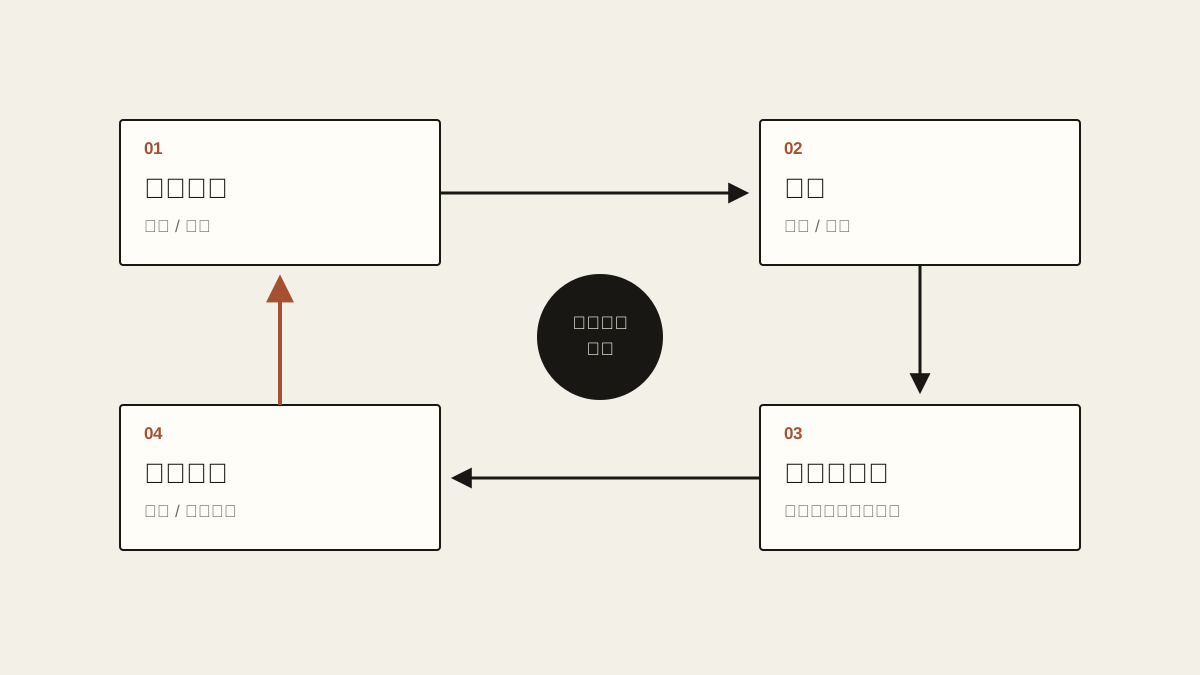
很多时候,事实一点都没变,变的只是价格。价格改变情绪,情绪筛选信息,筛出来的信息又反过来证明情绪是对的。这个循环转起来的时候,身在其中的人几乎察觉不到。

价格变化、情绪、选择性证据和投资行动相互强化的循环图
图:价格一动,情绪跟着动;情绪挑选证据,下一笔交易又把价格推了出去。

我们总以为自己是先看到证据,再形成观点。现实里常常反过来:观点先到,然后才去找证据。涨的时候,持有的人会主动搜集一切看涨的理由;跌的时候,同一个人又会去搜集一切该卖的理由。互联网让这件事变本加厉,因为不管你想证明什么,都能找到足够多的材料。觉得要涨,几十篇看多的研报等着你;觉得要崩,也有几十篇逻辑严密的悲观分析。信息已经多到不可能自己变成答案。一个人在市场里看到的,往往只是现实中自己愿意看到的那一部分。

市场不知道你的成本价

还有一样东西很有意思:成本价。

人对自己的买入价有一种近乎执念的感情。一百块买进,跌到八十,最常冒出来的念头就是:“等它涨回一百我就卖。”这句话听着再自然不过,细想却没什么道理。市场不知道你是一百块买的,公司管理层不知道,别的交易者也不知道,公司未来的现金流更不会因为你的成本价多一分或少一分。

如果它现在只值五十,从八十涨回一百,并不会因为你曾经在一百块买过就变得更合理;如果它其实值两百,那么为了“回本”在一百块卖掉,同样说不通。成本价本来只是一条历史记录,到了人脑里,却很快变成一个锚,盈亏都围绕这个锚被重新定义。一项八十块的资产本身无所谓红绿,可交易软件只要在旁边标上一个“-20%”,你的感受立刻就不一样了。

很多时候,我们判断的并不是一样东西值多少钱,而是它离“我的价格”还有多远。

别人赚钱的时候

牛市里还有一股很强的力量:看别人赚钱。

自己亏钱当然难受,但看着别人赚钱、自己没赚到,有时候一样难受。你本来压根没打算碰某样东西。一个朋友赚了三成,你没当回事;又一个朋友赚了五成;社交媒体开始讨论,新闻开始报道,晒收益的人越来越多。某一天你会开始怀疑,自己是不是错过了什么。价格涨得越高,这种感觉往往越强烈。到最后,推着人下单的早就不是预期回报了,是怕自己被永远落在车外。

今年上半年的存储牛市,就让我结结实实地 FOMO 了一回。那段时间不管刷抖音还是刷推特,随手划几个帖子和视频,就能看到一堆人在晒单,闪迪、海力士、美光这些股票,有人甚至已经赚了好几倍。可我当时觉得自己并不懂这个行业,所以终究没有买。

这也解释了为什么很多人在一样东西无人问津的时候毫无兴趣,等它涨了好几倍,才突然生出巨大的研究热情:上涨本身就会制造可信度。

人是很依赖群体判断的动物。在生活里,这套机制大多数时候挺好用:餐厅门口排着长队,通常说明不会太难吃;一件商品有十万条好评,通常比一条评价都没有的靠谱。金融市场的麻烦在于,当所有人都因为“别人在买”而买,他们的买入本身又会继续推高价格。于是上涨证明上涨,越来越多的人加入,最后价格本身成了最大的理由。

跌的时候也是同一套逻辑:大家都在卖,所以跌;一跌,又像是证明了风险很大,于是更多人卖。人群可以制造狂热,也可以制造恐慌。而站在人群里的人,几乎从来不觉得自己在从众,只觉得自己做了一个独立的判断。

最舒服的时候,往往最贵

人还特别喜欢相信,最近发生的事会一直发生下去。一个市场连涨几年,大家就把上涨当成常态;连跌一年,又觉得苦日子永远不会结束。

这种事在历史上重演过无数次。价格最好的时候,新闻往往也最好看:企业利润增长,经济繁荣,人人信心十足,谁都找得到继续乐观的理由。价格最差的时候,情况往往也真的很糟:经济衰退,公司裁员,坏消息一个接一个,谁都找得到继续悲观的理由。

所以投资才这么反直觉。真正便宜的资产很少让人觉得“安全”,因为如果所有问题都已经解决、所有人都信心满满,它大概也就不会再便宜了。反过来,真正贵的时候往往最舒服:账户天天在涨,新闻全是好消息,身边人人都在赚钱,未来看上去一片光明。风险很少穿着一件印着“风险”两个字的衣服出场,更多时候,它看起来像确定性。

赚了钱以后,人还很容易高估自己。第一次进场就连着买对三次的人,很难得出“我可能只是运气好”的结论,更常见的想法是“我好像真挺擅长这个”。于是一万块变成了五万块,简单的资产换成了复杂的东西,原来碰都不碰的杠杆,也开始觉得“稍微加一点应该没事”。

赚钱带来的不只是钱,还有自信,而自信又会让人愿意承担更大的风险。所以投资里有一种开局特别危险:一上来就赚了很多。亏损至少会逼人怀疑自己的方法;连续盈利却可能让一个从没经历过完整周期的人,迅速相信自己掌握了某种规律。等真正的大波动到来时,这个人身上背着的风险,可能早已远远超过刚入场的时候。

一厘米和一百米

所以光谈“心理素质”是不够的。一个人的投资心理,很大程度上是由仓位决定的。

一万块的资产跌百分之三十,和一个人的全部积蓄跌百分之三十,是两场完全不同的心理实验。前者可能让你觉得“更便宜了”,后者可能让你凌晨三点还在刷新行情。

理论上,同一个人面对同一项资产,应该做出同样的判断。实际上,仓位一变,人可能就换成了另一个人。市场每跌一点,生活里的某个目标就离你远一点:买房的首付,孩子的学费,攒了好几年的积蓄,养老的钱。一旦这些具体的东西和屏幕上的数字连在一起,再冷静的人也很难把它当成一道单纯的数学题。

很多所谓的投资心理问题,归根结底是风险管理问题。如果一次再正常不过的波动,就足以让一个人推翻原来的全部逻辑,那未必是意志力太差,更可能是仓位从一开始就太重了。道理很简单:站在离地一厘米的木板上,谁都能稳稳当当;把同一块木板架到一百米高的两栋楼之间,身体马上就僵了。平衡能力并没有突然消失,变的是犯错的代价。

同一块木板分别贴近地面和横跨高楼,表现仓位改变犯错代价
图:同一块木板,同样的平衡感,变的只是失足的代价。仓位也是这样改变判断的。

投资也是这样。很多人模拟盘做得异常理性,真金白银一进去,马上换了个人。这并不奇怪,真的钱会带来真的情绪。

写给未来那个自己的合同

也正因为如此,我一直觉得“保持理性”几乎是一句没用的投资建议。没有人是因为不知道应该理性,才变得不理性的。暴跌时恐惧,不需要谁来教;连涨时贪婪,也不需要学。

这些反应在现代金融市场出现以前就已经存在了。恐惧帮祖先躲开危险,跟着群体走能提高活下来的概率,损失厌恶让人珍惜手里已有的资源;在野外,根据最近发生的事迅速调整判断,可能比慢慢建立一个概率模型有用得多。问题只是,我们带着一颗为生存而设计的大脑,走进了一个由数字、概率和长期复利构成的市场。曾经帮人类活下来的本能,到了这里,恰好可能变成弱点。

所以真正有用的办法,大概不是把自己训练成一个没有情绪的人,这样的人基本不存在。更现实的做法,是承认自己一定会有情绪,然后提前定好规则,让情绪没那么大的权力。

买之前,先回答几个问题:为什么买?到底看中了它什么?出现什么情况,就说明我原来的判断错了?我最多愿意承受多大的亏损?这笔仓位要是跌掉一半,会不会影响正常生活?如果价格涨了很多,是价值真的变了,还是只是价格变了?如果价格跌了很多,而当初的逻辑还在,我到底该做什么?

这些问题在买之前很好回答,因为那时候钱还没开始左右你的情绪。真拿在手里以后再回答,就难多了。人会开始偷偷修改答案,而且通常不会承认自己在改。

投资计划最大的用处可能就在这里。它不是用来预测未来的,没有人知道未来。它更像一份合同,是过去那个冷静的你,写给未来那个情绪化的你。市场涨上去,未来的你可能会觉得一切都还能接着涨;市场跌下来,未来的你又会觉得世界马上就要完了。如果每一次都让当下的情绪重新制定规则,那所谓的投资策略其实根本不存在,剩下的只有条件反射。

当然,这不是说一个人永远不能改变看法。死不认错不叫纪律。新的事实证明原来判断错了,改主意当然是对的。真正难的是分清楚:到底是事实变了,还是价格变了?是投资逻辑失效了,还是自己亏了钱、心里难受了?是这项资产真的越来越值钱,还是因为赚了钱,所以想相信它越来越值钱?

这可能是投资里最难回答的问题之一,因为你既是法官,又是被告。你得判断自己的判断有没有被情绪带偏,而做这个判断的,还是同一颗大脑。

所以我不太相信,学会“损失厌恶”“确认偏误”“锚定效应”这几个名词,就能真的克服它们。知道自己有偏见,不等于偏见会消失。谁都知道熬夜不好,照样熬;知道甜食吃多了不好,看到蛋糕还是想吃。人天生趋利避害,容易沉迷在让自己舒服的事情里,投资也不例外。

理论这种东西,收盘以后最好懂。真正的考试,发生在账户每天都在缩水的时候,或者发生在所有人都告诉你“这次真的不一样”的时候。

投资到最后,可能是一个人和自己的比赛。市场只负责不停地报价,恐惧、贪婪、后悔、希望、嫉妒和自信,全是人自己生产的。涨的时候,有一个越来越贪的你;跌的时候,有一个越来越怕的你;连着赚了几次钱以后,还有一个开始觉得自己比谁都聪明的你。这几个人住在同一个身体里,却各有一套完全不同的投资逻辑。

和你交易的,从来不只是市场上的其他人,还有未来的你自己。

一套好的投资体系,未必要准确预测下一次涨跌。它更要紧的任务,是趁那个完全不同的你还没出现,先把规矩立好,让那个你到时候说了不算。

因为市场最擅长的,从来不是直接让人亏钱。它会先改变你的情绪,再让你亲手做出那个亏钱的决定。

All posts全部文章

What Makes a Skill Scarce?什么是稀缺的技能

Hard isn’t the same as scarce. What job hunting taught me about why stacking skills doesn’t work, and which abilities AI is least likely to cheapen.难,不等于稀缺。找工作这段时间,我想明白了为什么一味叠技能没用,以及哪些能力最不容易被 AI 贬值。

Read article阅读全文
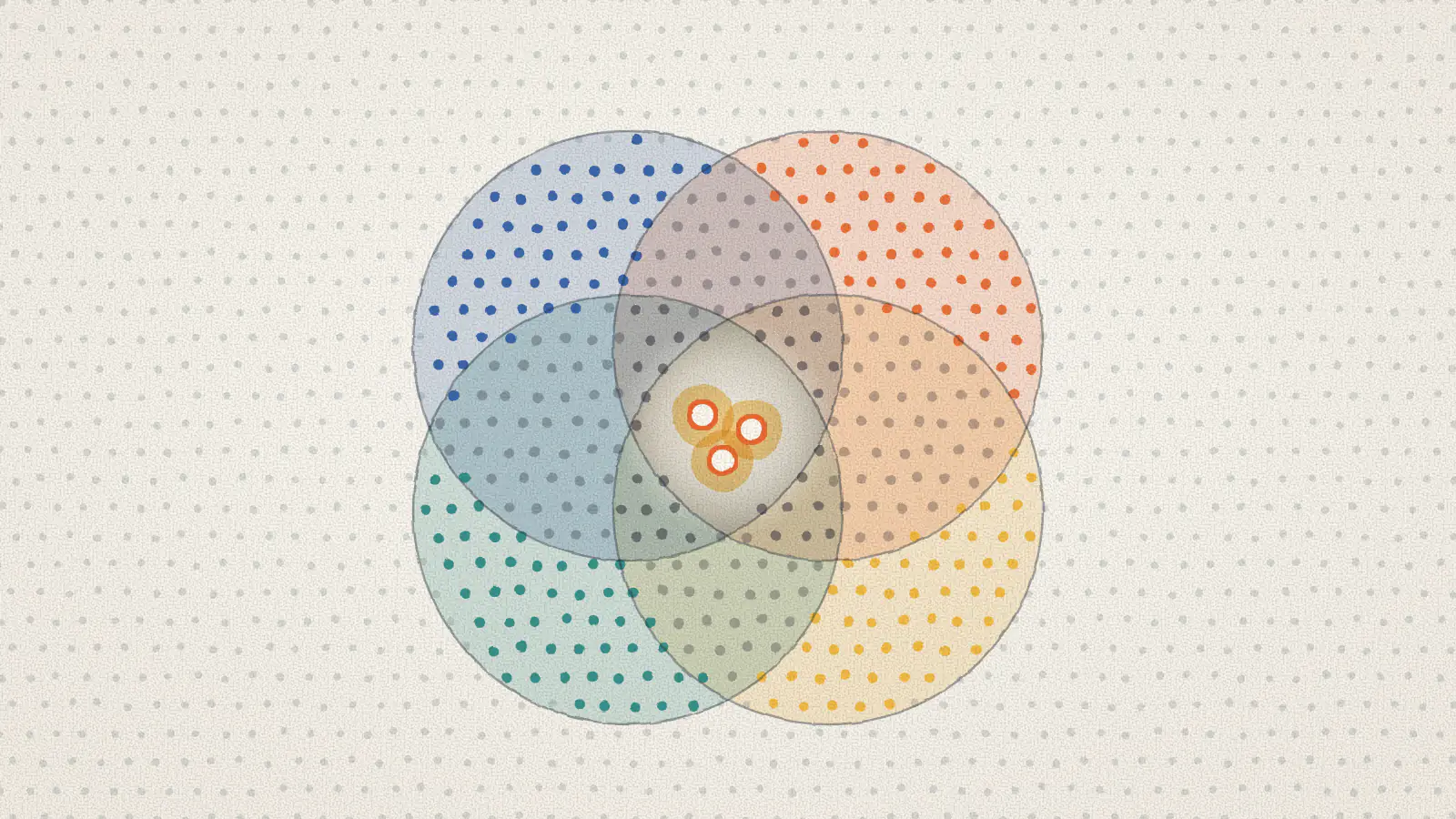
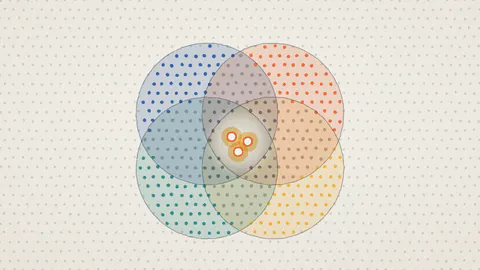
A crowd of gray dots, with a few lit up where four colored circles overlap

Job hunting lately has made one thing harder and harder to ignore: there are already far too many people who can do things.

Open a job app, click on any half-decent position, and hundreds of applicants is nothing unusual. A fresh graduate can use Office, edit video, put together slides, write a bit of Python and Java, has passed China’s CET-4 and CET-6 English exams, and can get ChatGPT to help with code. Fifteen years ago, that would have been a pretty capable graduate. Today it describes an entirely ordinary one.

People haven’t gotten worse. If anything, the problem is that everyone can do so much, and mostly the same things.

That sounds backwards. School teaches us to keep picking up skills, on the theory that the more you can do, the more competitive you are. The market plainly doesn’t work that way. It won’t pay you more because something was hard to learn, or because you lost a lot of sleep learning it. The question it cares about is almost brutally simple: why should it be you?

Say a job gets 1,000 applications and 700 of the applicants know Java. Knowing Java is certainly a skill, but it’s hardly an advantage anymore. Now suppose the other 300 know Python as well as Java. Python doesn’t magically make them valuable either, because the people they’re really up against are the other 299 who look just like them.

When people can’t find work, the first instinct is usually to stack on more skills. Java isn’t enough, so they learn Python. Python isn’t enough, so it’s Go, then Docker, Kubernetes, Redis, microservices. The résumé keeps getting longer. The person doesn’t get noticeably more expensive.

It’s a lot like investing. What something is worth never depends on how much effort went into making it. It depends on how many people want it and how many can supply it. Diamonds aren’t expensive just because mining them is hard work, and nobody pays for a roadside rock because it’s heavy to carry. Skills are goods too. Once that clicks, a lot of strange-looking things stop looking strange.

Photography used to be a craft. You had to understand exposure, shutter speed, ISO, lenses and composition, then buy a pile of expensive gear. Today someone who knows nothing about photography can take a phone picture that a keen amateur twenty years ago would have struggled to match. Video editing went the same way. Making a decent video once meant learning Premiere or Final Cut and studying timelines, transitions and color grading. Then came Jianying, the Chinese app known abroad as CapCut. Now AI can generate captions, cut the pauses, pick the music, and even produce a video straight from text.

Programming is going through the same thing.

I studied computer science, so I feel this one more than most. A few years ago, being able to build a whole website, database to backend to frontend, still counted as a clear technical skill. Getting AI to build a website now is nothing to brag about. You don’t even need to really understand React or Vue. Have a rough idea of what you want, talk it through with an AI for a few hours, and you’ll probably end up with something that runs.

None of this means programmers are going to disappear, or that programming has no value. What’s happening is that “can write code,” on its own, is losing value, and that’s a very different claim. The Industrial Revolution didn’t end manufacturing; it lowered the value of a lot of purely manual labor. Excel didn’t kill finance; it stripped the premium off a lot of calculation done by hand. AI won’t wipe out knowledge work either. What it squeezes first, most likely, is the premium on mental work that is already highly standardized, easy to describe and easy to repeat.

Once a skill can be clearly described, systematically taught and objectively graded, it’s easy to mass-produce. And mass production is exactly what universities are good at. Write a textbook, set a syllabus, design an exam, then turn out hundreds of thousands of people with similar knowledge every year. So when I see a headline like “This major is red-hot” or “This field will be short millions of workers,” my first reaction is no longer to rush out and learn it. I ask a different question: if everyone knows there’s a shortage, will there still be one in five years?

A publicly known opportunity rarely lives long. When internet companies paid big salaries, crowds of people went off to study computer science. When content creation started making money, crowds started making short videos. Now that AI is hot, almost everyone wants to learn AI. That’s perfectly normal. High prices attract supply. The more money something makes, the more people pour in, and the faster its scarcity disappears.

Hard Is Not the Same as Scarce

That’s why I think the skills worth learning aren’t the hard ones but the scarce ones, and people mix the two up all the time. Advanced mathematics is hard, but mastering it doesn’t guarantee anyone will pay you well. There’s plenty of obscure, intricate knowledge that maybe a few hundred people understand. If nobody needs it, it’s still worth very little.

Scarcity only counts when there’s demand alongside it.

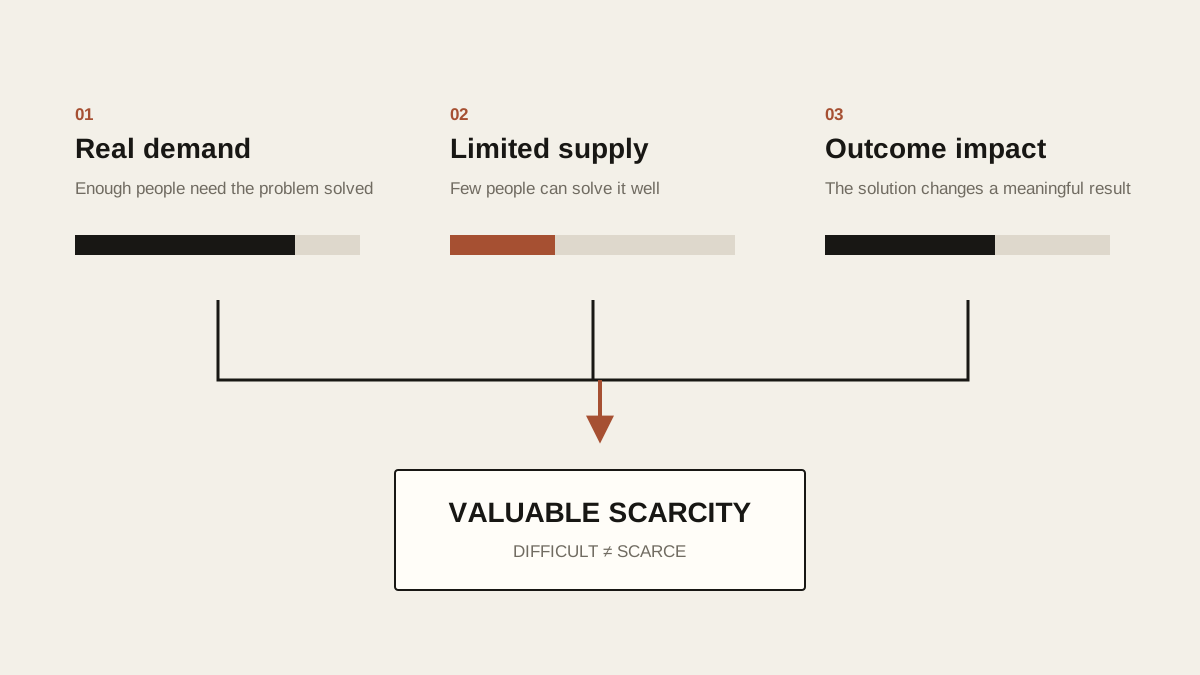
Ten thousand people urgently need a problem solved and only a hundred can solve it: that’s scarcity with value. So when I decide whether a skill is worth learning now, I look at three things. How many people need it? How many people can provide it? And once you have it, how large an outcome can it affect?

Three factors for judging a scarce skill: demand, constrained supply, and impact on outcomes
Figure: Being hard to learn isn’t enough. A skill pays when many people need it, few can supply it, and it changes an outcome that matters.

Follow that logic far enough and you start to suspect that the scarcest things in the future won’t be a particular piece of software or a particular programming language at all.

Finding the Real Problem

AI is very good at answering questions, as long as you know what to ask.

Picture a company announcing, “We’re going to use AI to cut costs and boost efficiency.” It sounds unimpeachable and says almost nothing. An ordinary employee might dive straight into large language models, agents and RAG, then produce a fifty-slide deck on how powerful AI is. A genuinely valuable one might go and look at how the business actually runs first. What does customer service really cost? Which step wastes the most people? Where is the error rate highest? Does this problem need AI, or would a fifty-line script do? Is it possible the company’s real problem isn’t efficiency at all, and nobody wants the product?

Plenty of people can answer questions. Far fewer can find the question that matters. As AI makes answers cheaper, questions get more expensive.

Judgment

The internet is not short of information. Thinking about a stock? AI will write you a report thousands of words long in a minute. Looking for a job? It can size up ten companies. Want to start a business? It’ll list a hundred business models in one go.

Then what? Is the asset actually worth buying? Should you take the job? Will anyone really pay for the business? AI can give you twenty reasons for and, a second later, twenty reasons against. Someone still has to press the button.

The cheaper information gets, the more judgment matters. Information used to be a barrier in itself; some people made money simply because they knew something others didn’t. That edge is vanishing fast. What will separate people may no longer be whether they can find the information, but whether, with everyone holding roughly the same information, they can reach a better conclusion.

The annoying thing about judgment is that there’s no Judgment 101 you can pass and get a certificate for. It comes mostly from years of experience, failure and feedback, and from being willing to admit, again and again, that you got something wrong. Lots of abilities improve quickly with practice. Judgment tends to grow only after the real world has shoved your mistakes in your face, over and over.

Owning the Outcome

The next one barely counts as a skill in the traditional sense: taking responsibility.

I used to find it odd that some managers were paid so much. Some of them didn’t seem to do anything concrete. They didn’t write the code, make the slides or pull the data, so why did they earn more than the people under them? Slowly I realized that the valuable part is often the deciding rather than the doing.

Engineers can propose three technical approaches; the CTO has to pick one. An analyst can write fifty pages; the fund manager has to decide whether to buy. Ten people can sit in a meeting room discussing a project, but eventually one of them has to stand up and say, “This is what we’re doing, and if it goes wrong, it’s on me.” Execution, analysis, judgment, decision, owning the result: the further along that chain you go, the fewer people you find. Most people like power. Very few actually like responsibility.

When a call works out, everyone is happy. When it doesn’t, someone may get blamed, fired or lose money, and in serious cases face legal consequences. That makes responsibility a scarce resource in its own right. AI can draft plans for you and list dozens of options, but it won’t go to prison in your place or absorb a ten-million-yuan loss for the company. In the end, a real person has to sign their name.

Combinations

Another kind of scarcity, and one I think gets underrated, is the combination of skills.

Taken one at a time, none of them may be rare. Lots of people speak English. Lots can code. Lots understand sales, and people who know the new-energy industry aren’t exactly an endangered species. But someone who understands software, can talk to overseas clients in English, knows their way around new-energy equipment, and can actually fix the customer’s problem on site is much harder to find. That combination may be worth far more than pushing your Java from “proficient” to “expert.”

Most people compete on a single axis. Programmers compete on how many algorithm problems they’ve solved, designers on who knows the software best, video editors on whose effects are more elaborate. As long as everyone is crowded onto the same axis, it eventually turns into a price war. Look at the IT job market right now. Unless your school or résumé is unusually strong, even a decent internship is hard to land. Huge numbers of applicants show up with near-identical projects and near-identical résumés, and the HR people reading them every day are probably numb by now.

Sometimes the simplest move is to stop grinding on the same axis and switch to another. An ordinary programmer who can also sell might become an excellent SaaS salesperson or pre-sales engineer. An ordinary engineer with English and overseas experience might move into international technical support. Someone who knows AI and also truly understands one specific process in healthcare, law, logistics or manufacturing may be worth far more than someone who only studies prompts.

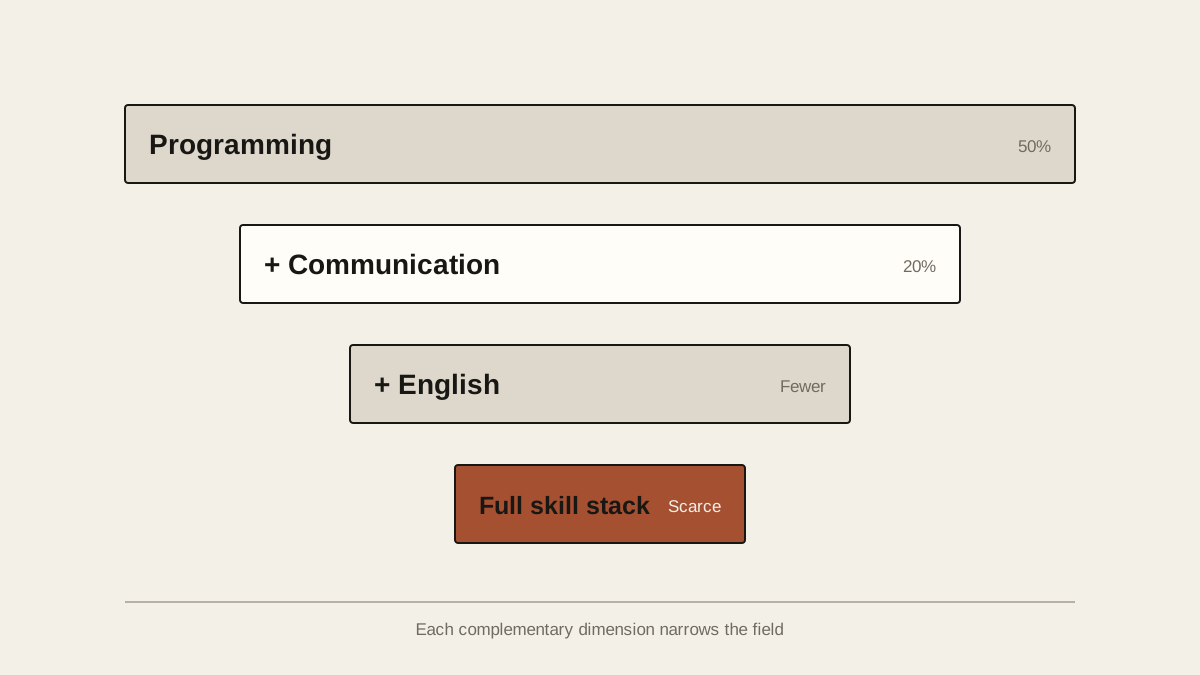
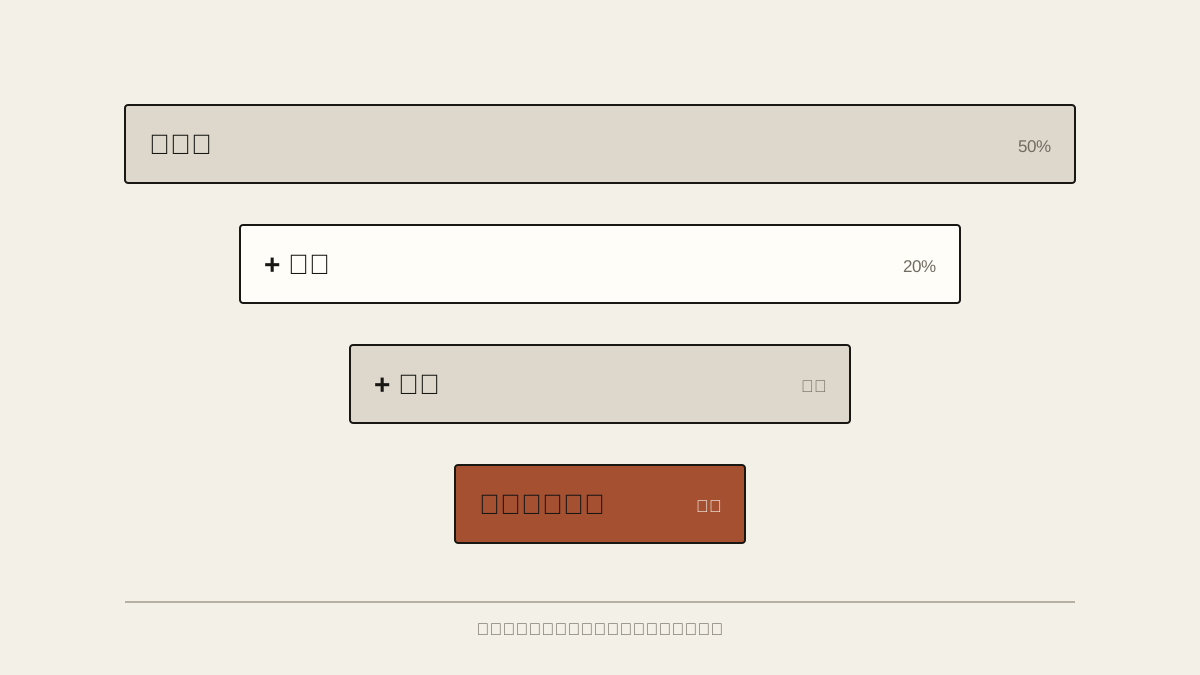
No single ability has to be world-class. If a few of them complement each other, the combination can put you in a much smaller group. Suppose 50 percent of people can program and 40 percent communicate well. If the two are roughly independent, only about 20 percent have both. Add English, industry knowledge and project experience, and the group that meets every condition shrinks again. Real life isn’t as neatly independent as a math model, of course, but the idea holds. You don’t have to beat everyone along one dimension. You can add dimensions until fewer and fewer people are really competing with you.

Programming, communication, English, and industry experience progressively reduce the number of people who meet every condition
Figure: You don’t have to beat everyone on one axis. Every complementary skill you add shrinks the field.

Dealing With People

Then there’s the ability to deal with people. It sounds vague, not even like a technical skill, but I increasingly think it’s one of the hardest things for AI to devalue: negotiating, selling, building trust, aligning interests, persuading, handling conflict. None of these is really about exchanging information. If it were, an email would do.

Why would a client give you a one-million-yuan contract instead of another company with nearly identical specs? Why would someone excellent join your team? When two companies’ interests collide, why would each give a little?

Even an ordinary job interview is a test of dealing with people. Someone can be technically strong, but if they can’t explain their thinking, or stumble over every sentence, the interviewer will find it hard to believe they can collaborate, communicate and solve problems, and much of that technical strength never turns into an offer. Meanwhile someone less strong technically, who explains clearly, thinks on their feet, understands what’s needed and earns trust, often finds people much more willing to give them a chance.

Underneath all of it are trust and the game of interests.

AI can coach you on what to say and even write you a flawless negotiation script. But in the end, the other side has to trust a person, not a block of generated text.

Actually Finishing Things

The last ability I consider truly scarce sounds almost silly: actually finishing things.

The internet is full of smart people. Lots of them talk about the economy; few make money year after year. Lots discuss startups; few ship a product. Lots study AI; few build anything people keep using. Almost everyone has bookmarked dozens of must-read tutorials, deep dives and trend reports, and ended up with a bookmarks folder far richer than anything they’ve made. I fall into that trap all the time.

Research gives you a comfortable illusion that you’re already taking action, when often you’re just consuming information. The work that’s actually hard is usually boring. Build the first version, send it out, get criticized, fix it, send it again. Send dozens of applications, get rejected, revise, send more. After studying English, open your mouth and talk to someone instead of bookmarking another speaking course.

The world has never been short of people who know what should be done. It’s short of people who can keep pushing something forward, bit by bit, with no teacher watching, no answer key, and no idea whether it will pay off. I’m not sure what the best Chinese word for this is. In English there’s one I love: agency. You can read it as initiative, or as the ability to act on the world and actually change it.

I suspect this is one of the hardest things for AI to replace. AI can lower the threshold for getting something done, but a lower threshold doesn’t mean everyone will do it. Good fitness advice has been free online for years, and most people still don’t have the body they want. There’s vastly more English-learning material than a few decades ago, and fluent second-language speakers are still a minority. Startup advice is practically unlimited, and most people will never sell their first product.

Information isn’t the biggest bottleneck.

A lot of the time, we are.

Stop Asking What to Learn

So if I were rethinking what it means to learn a skill, I wouldn’t just ask which skill is hottest. Popularity itself may be a warning sign. Once something is hot enough that every short-video creator is teaching it, every training company is selling a course and every university is planning a major, the new supply is usually already on its way.

The questions worth watching are different. Which problems will get worse over the next few years? What will lots of people pay to have solved? Why are so few people solving it now? Where exactly is the barrier? Knowledge, experience, capital, a license, language, location, appetite for risk? Or is it simply that most people find the work tedious, unglamorous and not worth the trouble?

I’m especially fond of that last one.

People have a remarkably stable habit of chasing whatever looks impressive. Everyone wants to be an investor, a product manager, an AI engineer, a founder. Nobody wants to handle customer complaints, get up in the middle of the night to fix a machine, fly to a factory in an unfamiliar country to track down an equipment fault, or wade through a pile of dirty, fiddly problems with zero value for showing off on social media.

The market doesn’t care whether a job sounds cool.

If nobody else wants to do it and customers genuinely need it done, that can be the most direct form of scarcity there is.

Scarcity doesn’t last forever, of course, and that’s the hard part. Once a skill pays well enough, smart people flood in. Training companies appear, then tutorials, then software, and eventually maybe AI. Yesterday’s scarcity can easily become tomorrow’s baseline.

So the idea of finding one skill and living comfortably off it for forty years seems less and less realistic to me. What works over the long run is probably less about mastering one skill that stays scarce forever and more about getting good at finding scarcity again and again: noticing a growing need before others do, putting in a few years before the crowd arrives, building up experience, clients, capital, relationships and a reputation, and then, when the field gets crowded, going looking for the next curve.

In a way, it’s not so different from arbitrage. In financial markets, once everyone spots an arbitrage opportunity, the gap closes fast. The job market works the same way. If everyone knows a skill pays well, sooner or later it stops being scarce.

That’s why I like asking people “What should I learn for the future?” less and less.

The question itself may be the wrong one.

Nobody can hand you a list that says Python is worth 10 points, English 8 and AI 9, and promise that once you’ve learned them your life will be secure. The better question is this: over the next five years, which problems will matter more and more? Why are they hard to solve? Who’s solving them now, and why are those people so expensive? Most important of all, why isn’t everyone else doing it?

Find those problems. Then become one of the few people who can solve them.

That, more or less, is what a scarce skill is.

最近找工作,我越来越强烈地意识到一件事:这个社会上,会做事的人其实已经太多了。

打开招聘软件,随便点开一个稍微像样的岗位,几百个人投简历早就不稀奇了。一个刚毕业的大学生,会用 Office,会剪视频,会做 PPT,会一点 Python 和 Java,四六级都过了,还能用 ChatGPT 帮自己写代码。把时间往前推十几年,这样的人大概算得上能力不错;放到今天,只是一个再普通不过的毕业生。

不是大家变差了。恰恰相反,是大家会的东西太多,而且都差不多。

这听起来有点反常识。按照学校教我们的逻辑,人应该不断学技能,会得越多,竞争力越强。可市场显然不是这么运转的。它不会因为一样东西很难学,或者你为它熬了多少个通宵,就多给你一分钱。它关心的问题简单得近乎冷酷:我为什么非得找你?

假设一个岗位收到 1000 份简历,其中 700 个人会 Java。“会 Java”当然是一项技能,但已经很难算是优势了。再假设剩下 300 个人除了 Java 还会 Python,Python 也不会神奇地让他们变值钱,因为他们真正的竞争对手,是另外 299 个和自己差不多的人。

很多人找不到工作,第一反应还是继续往身上叠技能:Java 不够就学 Python,Python 不够就学 Go,然后是 Docker、Kubernetes、Redis、微服务。简历越来越长,人却没有明显变贵。

这和投资其实很像。一样东西值多少钱,从来不取决于生产它花了多少力气,而取决于有多少人想要、有多少人能提供。钻石贵,不只是因为挖它的人辛苦;路边的石头再沉,也没人愿意花钱买。技能说到底也是一种商品。想明白这一点,很多看起来奇怪的现象就不奇怪了。

摄影以前是一门专业手艺:要懂曝光、快门、ISO、镜头和构图,还得买一堆昂贵的器材。现在一个完全不懂摄影的人拿起手机,就能拍出二十年前普通爱好者很难拍出来的照片。剪辑也一样。以前想剪个像样的视频,得学 Premiere、Final Cut,研究时间轴、转场和调色;后来有了剪映;再后来,AI 能自动识别字幕、删掉停顿、配好音乐,甚至直接拿一段文字生成视频。

编程正在经历同样的事情。

我本科就是计算机专业,所以对这一点的感受格外明显。几年前,一个人能从数据库、后端一路写到前端,做出一个完整的网站,至少还算一项明确的技术能力。现在让 AI 写一个网站,已经没什么值得炫耀的了。你甚至不需要真的懂 React 或者 Vue,只要大概知道自己想做什么,再和 AI 聊上几个小时,一个能跑起来的东西多半就出来了。

这不代表程序员会消失,也不代表编程没有价值。真正在发生的是,“会写代码”这几个字本身在贬值,而这两者差别很大。工业革命没有让制造业消失,只是让大量纯手工劳动的价值下降了;Excel 没有消灭财务,只是让很多手工计算失去了过去的溢价。AI 也不会把脑力劳动一扫而空,它最先压缩的,多半是那些已经高度标准化、能被说清楚、能被重复执行的脑力劳动的溢价。

一项技能只要能被清楚地描述、被系统地教授、被量化地验收,最后就很容易被批量生产。而大学最擅长的恰好就是这件事:编一本教材,定一份大纲,设计一套考试,然后每年生产出几十万个掌握相似知识的人。所以现在看到“某某专业非常热门”“某某技能未来缺口几百万”这样的新闻,我的第一反应已经不是赶紧去学,而是想另一个问题:如果所有人都知道它缺人,五年以后它还缺人吗?

公开的红利通常活不了太久。互联网工资高的那几年,大批的人去学计算机;自媒体赚钱的时候,大批的人开始拍短视频;人工智能火了以后,现在几乎人人都想学 AI。这再正常不过:价格本身就会吸引供给。一样东西越赚钱,涌进来的人越多,原本的稀缺也就消失得越快。

难,不等于稀缺

所以我觉得,真正值得学的不是“难的技能”,而是“稀缺的技能”。这两个概念经常被混为一谈。高等数学很难,但学好了高数,不代表就一定有人给你开高薪。世界上还有大量冷门又复杂的知识,可能只有几百个人懂,可要是没人需要,它照样没什么经济价值。

稀缺,必须和需求同时存在。

有一万个人急着解决一个问题,而只有一百个人会解决,这才是有价值的稀缺。所以现在判断一项技能值不值得学,我更愿意看三件事:有多少人需要它,有多少人能提供它,以及掌握它以后,到底能影响多大的结果。

判断稀缺技能价值的三个因素:需求、供给约束和结果影响
图:难学不等于值钱。很多人需要、很少人能做、做了能改变重要的结果,三者缺一不可。

顺着这个逻辑想下去,我反而觉得,未来最稀缺的东西,可能根本不是哪一款软件,也不是哪一门编程语言。

发现问题的能力

AI 非常擅长回答问题,前提是你知道该问什么。

比如一家公司说:“我们要用 AI 降本增效。”这句话听起来无比正确,实际上几乎什么都没说。普通人可能马上开始研究大模型、Agent、RAG,然后做一份几十页的 PPT,告诉老板人工智能有多厉害。真正有价值的人,却可能先跑去看公司的业务流程:客服到底花了多少钱?哪个环节最浪费人力?错误率最高的地方在哪里?这个问题真的需要 AI,还是写一个五十行的脚本就能解决?甚至,公司真正的问题会不会根本不是效率,而是产品压根没人买?

能回答问题的人很多,能发现真正问题的人少得多。当 AI 让“答案”越来越便宜,“问题”自然就变贵了。

判断力

现在互联网上最不缺的就是信息。想买一只股票,AI 一分钟就能给你生成一份几千字的分析报告;想找工作,它可以帮你分析十家公司;想创业,它能一口气列出一百种商业模式。

然后呢?这项资产到底值不值得买,这份工作到底该不该去,这门生意到底有没有人愿意付钱?AI 可以给你二十个支持的理由,转头又能给你二十个反对的理由,可最后那个按钮,还是得有人来按。

信息越便宜,判断反而越重要。过去信息本身就是门槛,有些人赚钱,只是因为他们知道别人不知道的事。这种优势正在飞快地消失。以后真正拉开差距的,可能不再是你能不能找到信息,而是当所有人手里的信息都差不多时,你能不能得出一个比别人更好的结论。

判断力这东西很讨厌,因为世上没有一门“判断力 101”,让你学完就能拿证。它更多来自长年累月的经验、失败和反馈,也取决于一个人愿不愿意一次次承认自己以前错了。很多能力靠重复练习就能很快进步,判断力却往往要等真实世界一次又一次把错误拍在你脸上,才慢慢长出来。

承担责任

还有一样东西,严格来说都算不上传统意义上的技能:承担责任。

我以前一直觉得,社会给某些管理者那么高的工资有点奇怪。有些经理看起来什么具体的活都不干:代码不是他们写的,PPT 不是他们做的,数据也不是他们统计的,凭什么比下面的人赚得多?后来我慢慢明白,真正值钱的部分往往不是“做”,而是“定”。

程序员可以提出三套技术方案,CTO 必须选一套;分析师可以写几十页报告,基金经理必须决定买还是不买;十个人可以在会议室里讨论一个项目,但最后总得有一个人站出来说:“就这么干,出了问题我负责。”执行、分析、判断、决策、承担后果,这条链越往后,人通常越少。大多数人都喜欢权力,可真正喜欢责任的人很少。

做对了,大家都开心;做错了,可能挨骂、被开除、亏钱,严重的还要承担法律责任。所以责任本身就是一种稀缺资源。AI 可以替你生成方案,帮你列出几十种可能,但它不会替你坐牢,也不会替公司扛下一千万的损失。最后,总得有一个真实的人把自己的名字签上去。

技能的组合

还有一种我觉得经常被低估的稀缺:技能之间的组合。

单看每一样,可能都不稀缺。会英语的人很多,会写代码的人很多,懂销售的人很多,懂新能源的人也不是什么珍稀动物。可如果一个人既懂软件,又能用英语和海外客户沟通,还了解一些新能源设备,能在现场把客户的问题真正解决掉,符合条件的人一下子就少了很多。这样的组合带来的优势,可能比把 Java 从“熟练”刷到“精通”有意义得多。

很多人一直在同一条轴上和别人竞争:程序员比谁刷的算法题多,设计师比谁的软件用得熟,剪辑师比谁的特效做得复杂。问题是,只要所有人都挤在同一条轴上,迟早会卷成价格战。看看现在的 IT 就业市场就知道了:只要院校和履历不是特别有竞争力,很多学生连一份像样的实习都很难找到。大量的人拿着高度重复的项目,投着高度相似的简历,HR 每天看下来,可能早就麻木了。

有时候最简单的办法,是别在原来那条轴上卷了,换一条。一个普通程序员,加上销售能力,可能变成很强的 SaaS 销售或者售前;一个普通工程师,加上英语和海外经验,可能变成海外技术支持;一个懂 AI 的人,如果还真正理解医疗、法律、物流或者制造业里的某个具体流程,这个人的价值可能远远高过另一个只会研究 Prompt 的人。

单项能力根本不需要做到世界第一,只要几样能力恰好互补,组合起来就可能落进一个人数少得多的区域。假设 50% 的人会编程,40% 的人擅长沟通,如果这两项能力大致独立,同时具备两者的人大概只剩 20%;再叠上英语、行业知识和项目经验,真正同时满足所有条件的人会更少。现实当然不像数学模型那样完全独立,但这个思路很重要:你不一定非要在一个维度上打败所有人,也可以多加几个维度,让真正和你竞争的人越来越少。

编程、沟通、英语和行业经验叠加后,符合全部条件的人逐层减少
图:不必在一条轴上打败所有人,每多一项互补的能力,真正的竞争者就少一圈。

和人打交道

还有和人打交道的能力。这东西听起来很“虚”,甚至不像一门技术,但我越来越觉得,它可能是 AI 时代最难贬值的能力之一:谈判、销售、建立信任、协调利益、说服别人、处理冲突。这些事情的核心都不是简单的信息交换,如果只是交换信息,发封邮件就够了。

一个客户为什么愿意把一百万的合同交给你,而不是另一家技术参数差不多的公司?一个优秀的人为什么愿意加入你的团队?两家公司利益冲突的时候,为什么愿意各退一步?

就连最普通的一场面试,考的其实也是和人打交道的能力。一个人技术很强,却完全讲不清自己的想法,甚至一开口就结巴,面试官就很难相信这个人能合作、能沟通、能解决问题,那些技术能力也就很难完整地变成竞争力。反过来,技术未必最强,但表达清楚、反应快、听得懂需求、让人信得过的人,往往更容易让别人愿意给一次机会。

背后都是信任和博弈。

AI 当然可以教你怎么说话,甚至能替你生成一套完美的谈判话术。但对方最后信任的是一个人,不是一段生成出来的文字。

把事情真的做完

最后一种我认为非常稀缺的能力,说出来甚至有点好笑:把事情真的做完。

网上聪明人太多了。谈宏观经济的人很多,真正长期赚到钱的人很少;讨论创业的人很多,真正把产品发布出去的人很少;研究 AI 的人很多,真正做出一个有人愿意一直用下去的产品的人,也很少。每天收藏几十篇“必看教程”“深度好文”“行业趋势”,最后收藏夹比自己的实际成果丰富得多。这种事几乎人人都干过,我自己也经常掉进这个坑。

研究一样东西,会让人产生一种很舒服的错觉,好像自己已经在行动了,其实很多时候只是在消费信息。真正难的事往往无聊透顶:把第一版做出来,发给别人,挨骂,改掉问题,再发一次;投几十份简历,被拒,再改;学了英语以后,真的张嘴和人说,而不是继续收藏口语教程。

这个世界从来不缺知道该怎么做的人。缺的是在没有老师盯着、没有标准答案、甚至不知道最后有没有回报的情况下,还能自己把事情一点一点往前推的人。我不知道这种能力最准确的中文名字是什么,英文里有个词我很喜欢,叫 Agency。你可以把它理解成主动性,也可以理解成一个人主动改变现实的能力。

我反而觉得,这是未来最不容易被 AI 替代的东西之一。AI 可以把做成一件事的门槛降下来,但门槛低了,不代表所有人都会真的去做。健身的方法在网上早就免费了,大部分人照样没练出理想的身材;英语学习资料比几十年前丰富了不知道多少倍,真正能流利使用第二语言的人还是少数;创业教程几乎无限供应,大部分人一辈子也不会卖出自己的第一件产品。

信息不是最大的瓶颈。

很多时候,人自己才是。

别再问“该学什么”

所以如果现在让我重新理解“学技能”这件事,我不会再只问什么技能最热门。热门本身,甚至可能是一个危险信号。一样东西一旦热到所有短视频博主都在教、所有培训机构都在卖课、所有大学都准备开专业,它的供给通常已经在路上了。

更值得观察的是另外几个问题:未来几年,什么问题会越来越严重?什么东西,很多人愿意花钱去解决?为什么现在解决它的人还这么少?门槛到底在哪里?是知识,是经验,是资本,是牌照,是语言,是地理位置,是承担风险的意愿,还是大家单纯嫌它麻烦、不体面、不想干?

我尤其喜欢最后一种。

人类有一个非常稳定的特点:喜欢追逐那些看起来光鲜的机会。大家都想当投资人、产品经理、AI 工程师、创业者。没人喜欢处理客户投诉,没人喜欢凌晨爬起来修机器,没人喜欢跑到陌生国家的工厂里排查设备故障,也没人喜欢处理一堆又脏又琐碎、在社交媒体上毫无炫耀价值的问题。

可市场并不在乎一件事听起来酷不酷。

别人不愿意干,客户又真的需要,有时候这就是最直接的稀缺。

当然,稀缺也不会永远存在,这恰恰是最麻烦的地方。一项技能一旦足够赚钱,聪明人就会涌进来,培训机构会出现,教程会出现,软件会出现,最后 AI 可能也会进来。昨天的稀缺,很可能就是明天的标配。

所以想找到一门技能,然后靠它舒舒服服吃上四十年,我觉得越来越不现实了。真正长期有效的,可能是一种不断发现稀缺的能力:在别人还没注意到的时候,看见一个正在增长的需求;在人群大规模涌进来之前,先在里面做上几年,攒下经验、客户、资本、人脉和信誉;等这个领域慢慢挤满了人,再去找下一条曲线。

某种意义上,这和套利没什么两样。金融市场里,一个套利机会被所有人发现以后,空间很快就会被抹平。劳动力市场也是一样:如果所有人都知道某项技能工资高,它迟早就不再那么稀缺。

所以我越来越不喜欢问别人:“未来我该学什么?”

这个问题本身可能就问错了。

没有人能列一张清单,告诉你 Python 值 10 分、英语值 8 分、AI 值 9 分,照着学完,人生就安全了。真正该问的是:未来五年,哪些问题会越来越重要?这些问题为什么难解决?现在是谁在解决,他们为什么这么贵?最重要的是,为什么其他人没有去做?

找到这些问题,然后让自己成为少数能解决它们的人。

这大概才是所谓的稀缺技能。

All posts全部文章

What Is Bitcoin?什么是比特币?

A plain-language tour: the shared ledger, mining and confirmations, who actually holds the power, the 21 million cap, and why I don’t mind the volatility.用大白话讲清比特币:一本大家一起记的账、挖矿和确认、到底谁说了算、2100 万枚的上限,以及我为什么不太在意它的波动。

Read article阅读全文
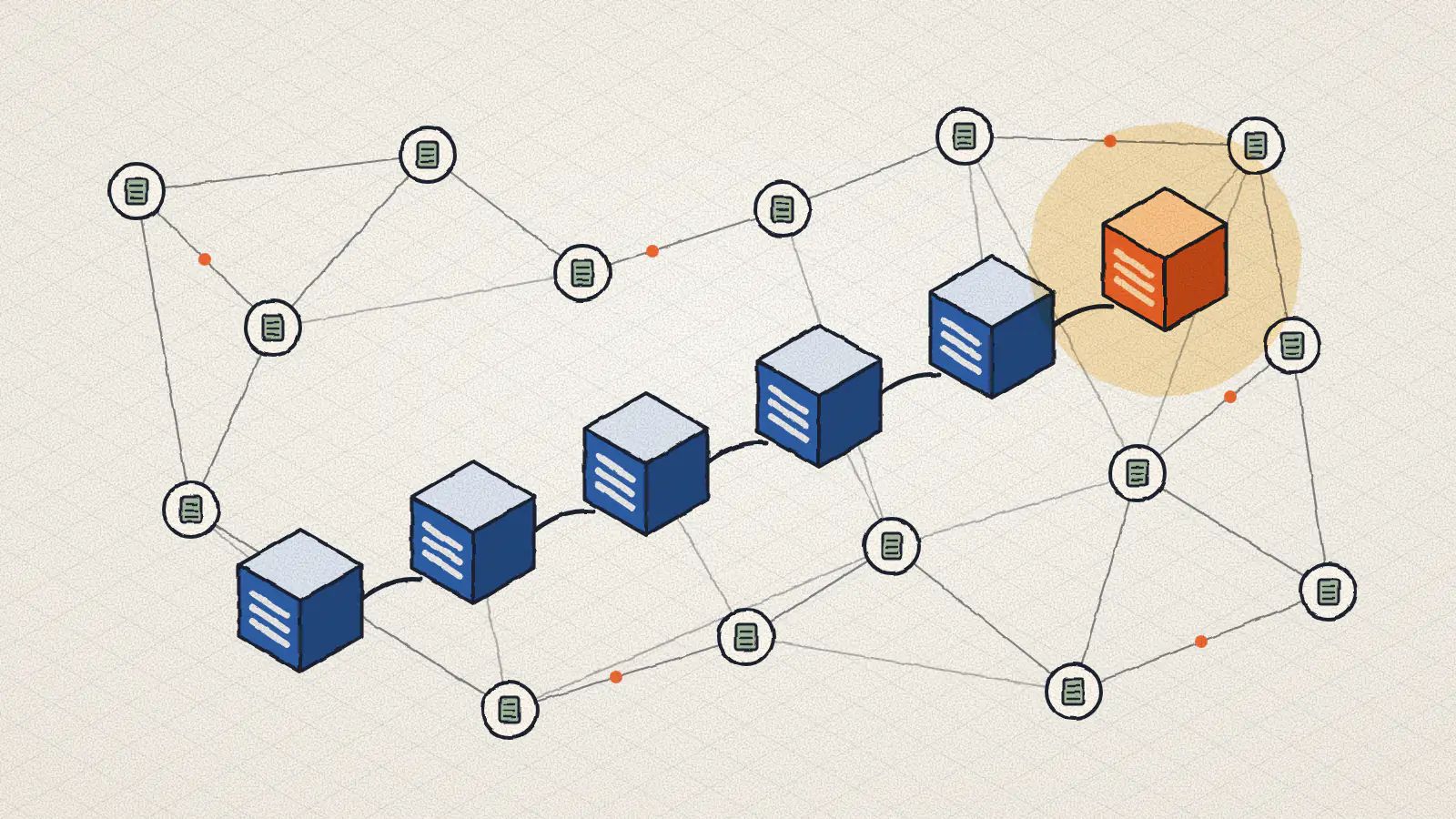
A chain of blocks climbing upward through a web of connected nodes, each holding a copy of the ledger

Bitcoin still has an air of mystery about it. A single coin is worth tens of thousands of dollars and nearly every institution and investor has heard of it, yet very few people understand how it actually works. Plenty of people can’t see why it should be worth so much, and some are convinced it was invented as a scam, a Ponzi scheme from day one.

I have my own way of picturing it: Bitcoin is a utopian company built by a huge number of equal “employees.” It makes exactly one product, a currency unlike any other, and along the way it offers a whole new way to save. In this piece I want to explain it with as little jargon as I can, so that even a complete beginner comes away knowing what Bitcoin really is.

A Ledger Everyone Keeps

Put simply, Bitcoin is a distributed ledger.

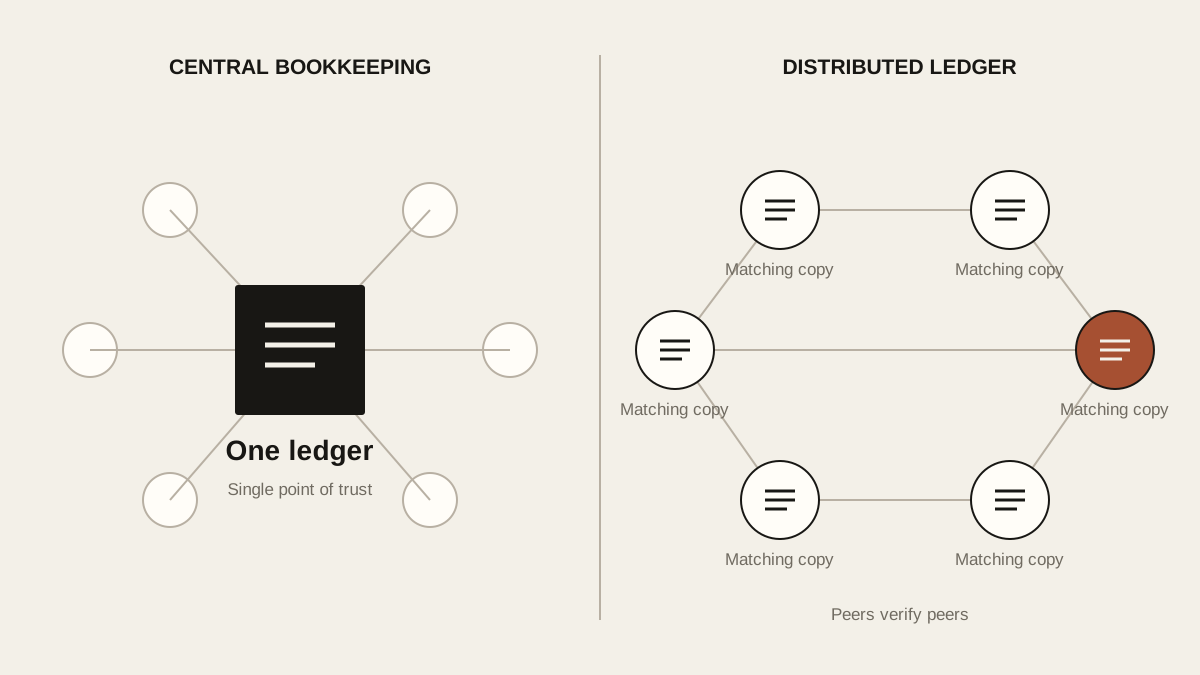
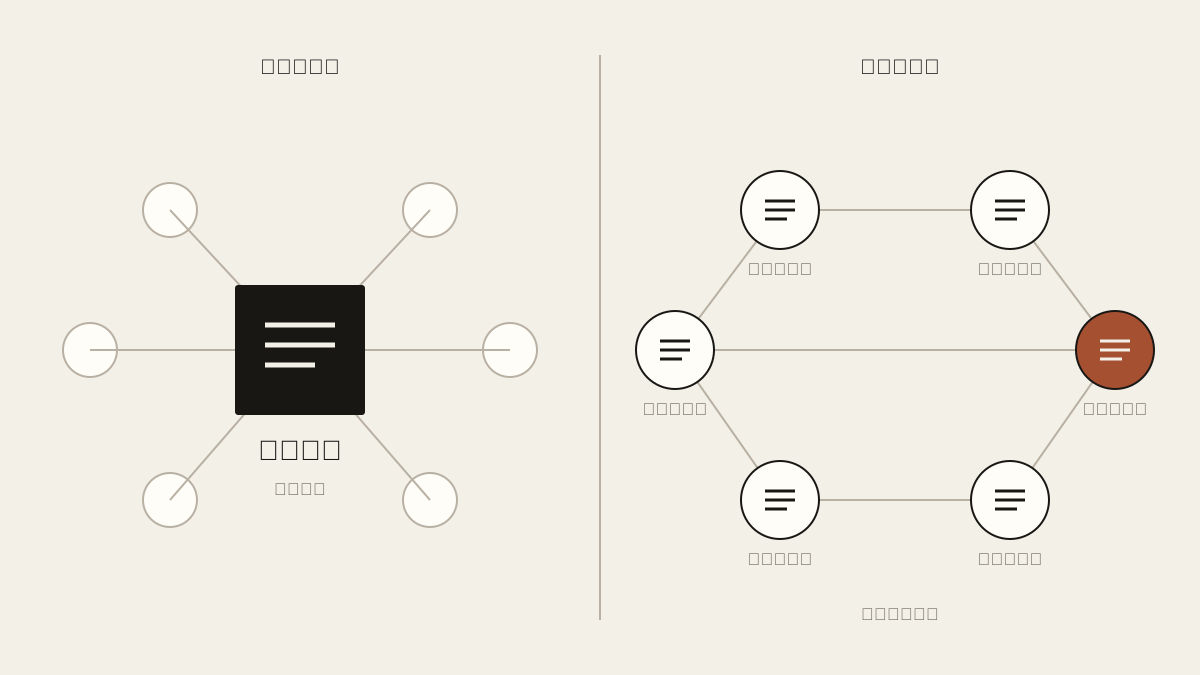
Traditionally, the books are kept by one person or one institution, such as a bank or a brokerage. Whoever holds the ledger is the one you have to trust, and that’s where the trouble starts. Companies cook their books. Banks refuse to pay out deposits. In 2022, several rural banks in Henan did exactly that: depositors couldn’t get their money out, the banks wouldn’t acknowledge it, and some of the people who went to demand it back were beaten.

Bitcoin does it differently. The ledger doesn’t belong to any institution. Thousands upon thousands of nodes around the world each keep a full copy and maintain it together, and every one of them checks each new block on its own. Anything that breaks the rules is simply rejected. Nobody is in charge, so there’s nobody you have to take on faith.

A comparison between one institution keeping the ledger and many nodes maintaining matching copies
Figure: A bank keeps one ledger that everyone has to trust. Bitcoin gives every node its own copy and lets each one check the new blocks.

Blocks, Mining and Confirmations

The ledger is written one page at a time, and each page is called a block. Every block points back to the one before it, so they form a chain: the blockchain you’ve heard so much about. Each block records a batch of transactions, such as “A sends B one BTC,” and a block usually holds a few thousand of them. As I write this, on August 1, 2026, the chain is closing in on one million blocks.

Mining is the race to write the next page. Miners run specialized machines that hash the block’s data over and over (think of a hash as a digital fingerprint), hunting for a result that meets the network’s difficulty target. Whoever finds one first gets to add the block, and collects the newly issued bitcoin plus the fees from that block’s transactions.

All of this burns an enormous amount of electricity, and that’s exactly where Bitcoin’s security comes from. To rewrite the ledger, an attacker would need more than half of the network’s total computing power, which makes an attack absurdly expensive. Every 2,016 blocks, roughly every two weeks, the network adjusts the mining difficulty to match the total computing power, keeping the average time between blocks at about ten minutes.

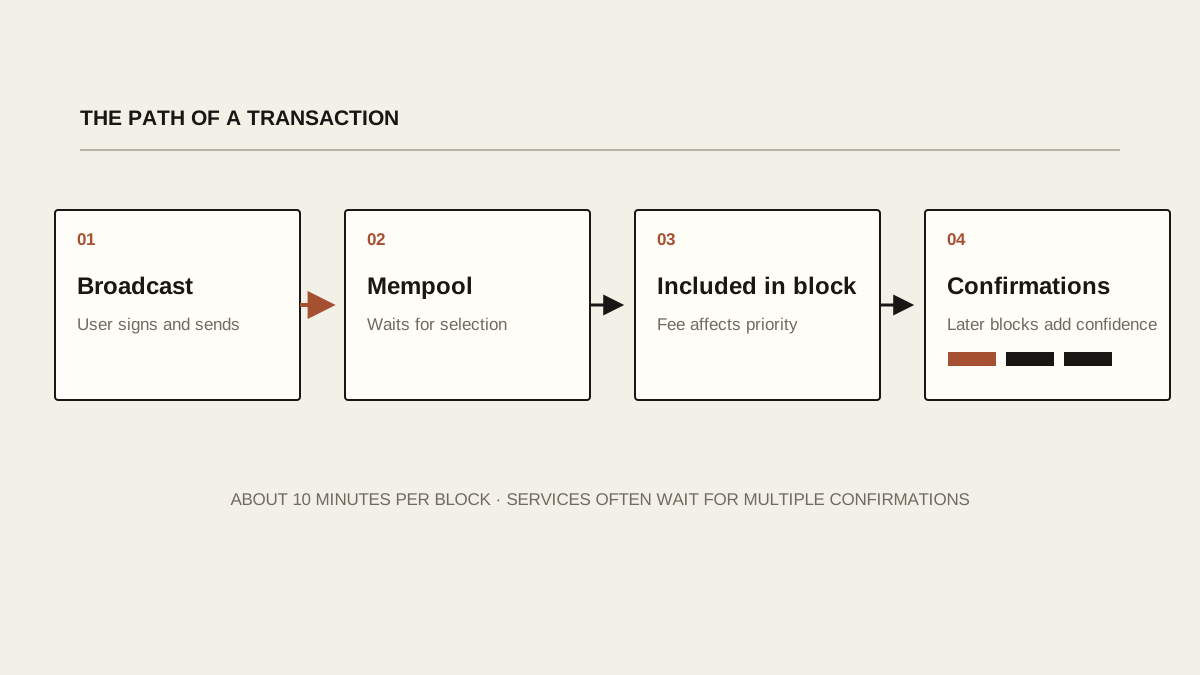
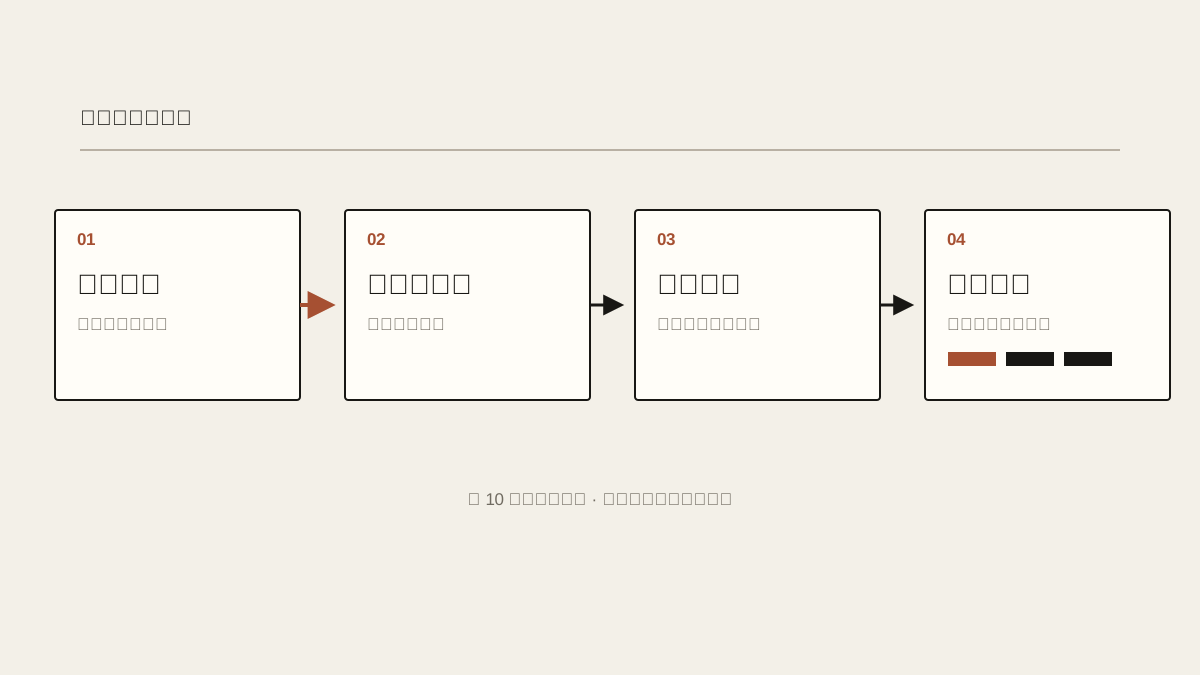
A transfer usually takes 20 to 30 minutes to arrive, because many exchanges and apps wait for around three confirmations before they trust it. Getting into a block counts as the first confirmation, and each new block after that adds another. Users set their own fees, and miners pick the transactions that pay more first.

A Bitcoin transaction moving through broadcast, the mempool, miner selection, and block confirmations
Figure: A transaction is broadcast, waits in the mempool, gets picked into a block, and gains a confirmation with every block after that.

Who’s in Charge?

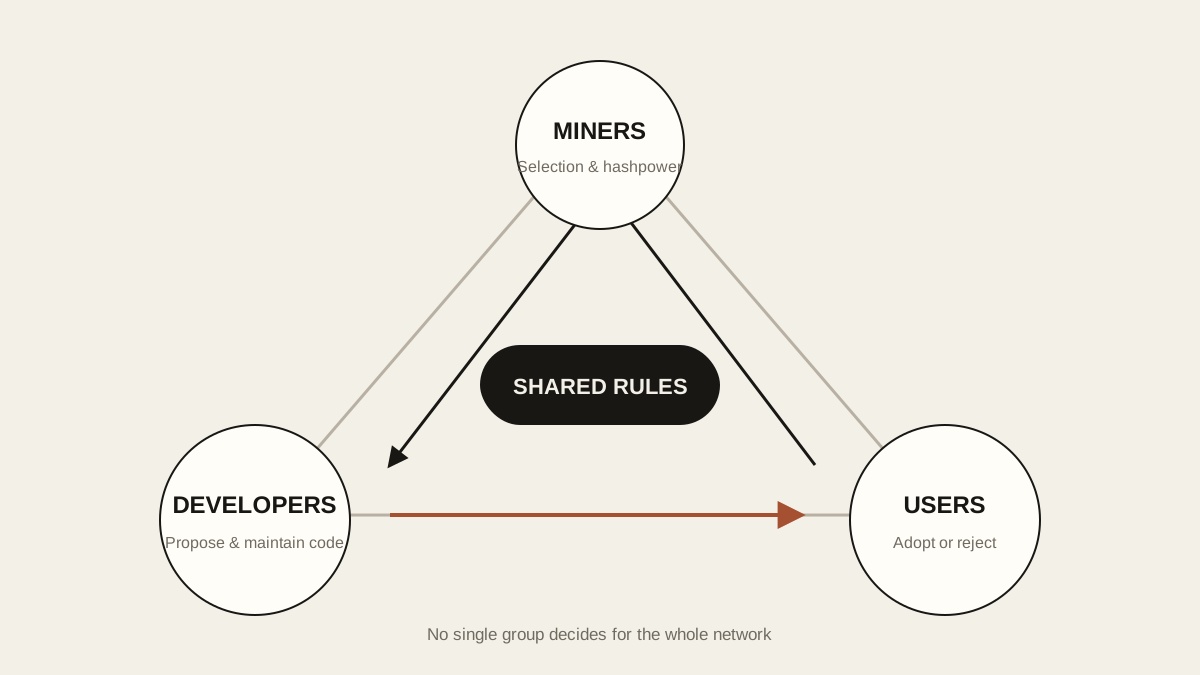
Besides miners, the network has two other groups: developers and users.

Developers maintain Bitcoin’s software. They propose improvements in the community, and a change only makes it into the code once it has broad support. Most proposals never get that far, which is a good thing. Bitcoin has an enormous number of users, and changing the rules every other week would make the network anything but stable. Developers disagree with each other, users disagree with each other, and one group’s wishes can’t simply be pushed onto everyone else.

So the truly big upgrades can be counted on one hand. Segregated Witness (SegWit), proposed in 2015 and activated in 2017, moved signature data out of the main body of a transaction so the old 1 MB block could carry more of them. Taproot, in 2021, took another step forward on privacy and efficiency. The Lightning Network often gets mentioned in the same breath, but it isn’t a change to Bitcoin itself. It’s a second-layer network built on top of Bitcoin, launched in 2018, that lets small payments settle almost instantly.

2017 also brought a split. The community was locked in a bitter fight over scaling. One camp thought the blocks were too small and transactions too slow, so they forked off a new chain, Bitcoin Cash (BCH), which launched with an 8 MB block limit and later raised it to 32 MB. The other camp worried that bigger blocks would make it harder for ordinary people to run their own nodes, pushing the network toward centralization.

Users are where the ecosystem ends up. Whether to buy bitcoin and whether to use it is ultimately their call. If computing power fell sharply for some reason and the network grew less secure, users could stop using it, and developers would look for fixes. If developers were captured by big money and rewrote the rules in favor of the powerful, miners could refuse to mine, users could refuse to upgrade or to buy, and the price would fall. A falling price, in turn, makes attacking the network even less worthwhile. Nobody wants to do that much work for so little.

2017 offers a ready-made example. A group of large companies and mining pools signed an agreement to double the block size after SegWit, a plan known as SegWit2x. Users and node operators wouldn’t go along, and that November the plan was called off.

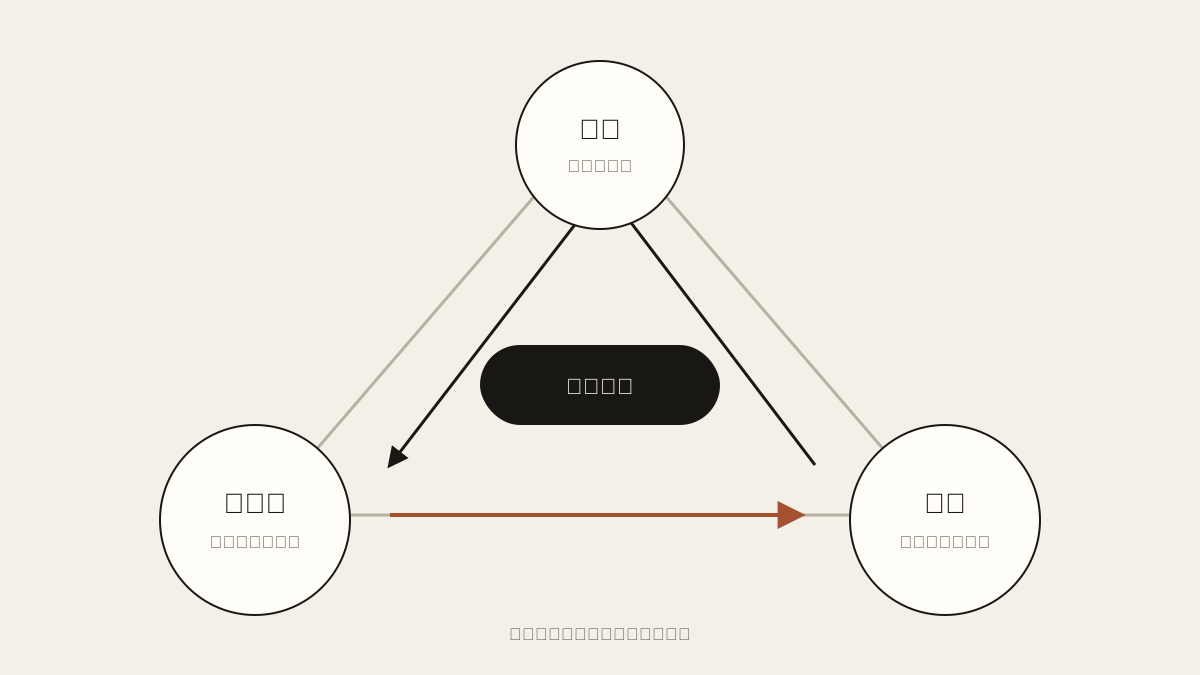
Miners, developers and users draw their power from different places and keep each other in check, a little like a delicate separation of powers. Bitcoin won’t die just because one of the three falls apart.

A triangular map of miners, developers, and users checking one another around Bitcoin's rules
Figure: Miners, developers and users each hold a different kind of power, so none of them can force rules on the rest.

Twenty-One Million

What matters even more is that the total supply of bitcoin is fixed by its code at 21 million. No person and no institution has the power to issue more. To my mind, that brings it very close to an ideal currency.

Spend any time with monetary history and you’ll see how precious that is. There are the Gold Yuan notes the Republic of China government issued in 1948, close to worthless within a year. There’s the Turkish lira today. And there’s the Iranian rial, whose exchange rate recently collapsed because of the war between the United States and Iran. If I tried to list every currency in history that has gone the same way, I’d be at it all day.

Money Nobody Can Freeze

As long as you look after it properly yourself, no third party can freeze your bitcoin.

That’s a sharp contrast with the way some banks behave. If a modern bank suspects something questionable in your account, freezing it takes no effort at all. That can protect customers, but it can also cause an awful lot of trouble.

About the Volatility

Last, a word on the price swings. Bitcoin trades around the clock, all over the world, with no daily price limits and no circuit breakers, so its price moves violently. On some days it swings more than 10 percent. Anyone thinking of investing in it needs to keep their position size under control, or it won’t be kind to their heart.

Personally, though, I don’t think the volatility matters much. Stretch out the price chart of any asset far enough and you won’t find one that has escaped huge swings. The Nasdaq lost nearly 80 percent after the dot-com bubble burst, and if you trace the S&P 500 back to the Great Depression, its fall was deeper than 80 percent. Plenty of investors call Bitcoin risky while betting, at the same time, that the “stable” assets will never let them down.

To me, Bitcoin’s high volatility is actually a good thing. It creates a naturally antifragile structure, where a steady run of small losses heads off a much bigger one later. If the idea of antifragility is new to you, I recommend Nassim Nicholas Taleb’s Antifragile. For any investor, it’s a genuinely important book.

比特币这东西,好像总带着点神秘感。一枚已经值几万美元,机构和投资者几乎没有不知道它的,可真正弄懂它怎么运作的人并不多。很多人想不通它凭什么这么贵,甚至觉得它生来就是为了诈骗,是个彻头彻尾的庞氏骗局。

我对它有一个自己的比喻:比特币像是一群地位平等的“员工”共同创办的一家乌托邦公司。这家公司只做一样东西,一种独一无二的货币,顺带给了人一种全新的储蓄方式。这篇文章想尽量少用术语,把它讲清楚。哪怕你完全是个新手,读完也能明白比特币到底是个什么东西。

一本大家一起记的账

说白了,比特币是一个分布式账本。

传统的账,通常由一个人或者一家机构来记,比如银行、证券公司。账本握在谁手里,你就只能相信谁,信任问题也由此而来:公司可能财务造假,银行可能不兑付存款。2022 年,河南几家村镇银行就出过这样的事:储户的钱取不出来,银行不认账,去讨说法的储户甚至还挨了打。

比特币换了一种做法。这本账不归任何一家机构,而是由全世界成千上万个节点各存一份、一起维护。每一个新区块,这些节点都会各自独立验证一遍,谁交上来的东西不符合规则,就会被大家直接拒绝。没有谁说了算,所以也就不必非得相信某一个人。

单一机构记账与多个节点共同维护同一账本的对比图
图:银行只有一本账,大家只能信它;比特币让每个节点各存一份,各自核对。

区块、挖矿和确认

比特币的账是一页一页记的,每一页叫一个区块。每个区块都指向前一个区块,首尾相连,就成了大家常听到的区块链。区块里写着一批交易记录,比如“A 转给 B 1 个 BTC”,一个区块通常能装下几千笔。到我写这篇文章的时候(2026 年 8 月 1 日),区块已经快到 100 万个了。

“挖矿”争的,就是下一页由谁来写。矿工用专门的机器反复计算区块数据的哈希值(可以把它理解成一串数字指纹),谁先碰出一个符合难度要求的结果,谁就获得这一页的记账权,拿到新发行的比特币和这一页里的手续费。

这个过程极其耗电,而这正是比特币安全的来源:想篡改账本,攻击者得掌握全网过半的算力,代价高到几乎不可能。网络每隔 2016 个区块,也就是大约两周,会根据全网算力调整一次挖矿难度,让平均出块时间稳定在 10 分钟左右。

一笔转账通常要等 20 到 30 分钟才算到账,因为不少交易所和应用要等三个左右的确认才放心:交易被打包进区块,算第一次确认,之后每多出一个新区块,就再多一次。手续费由用户自己定,矿工会优先打包出价高的交易。

比特币交易经过广播、内存池、矿工打包和区块确认的流程图
图:交易广播出去,在内存池里排队,被矿工打包进区块,之后每多一个区块就多一次确认。

谁说了算

除了矿工,比特币网络里还有两类角色:开发者和用户。

开发者维护着比特币的软件。他们在社区里提出改进方案,只有得到广泛认同,改动才会真正进入代码。大多数提议最后都没能落地,这其实是好事:比特币的用户太多了,三天两头改规则,网络就谈不上稳定;而且开发者之间、用户之间都很容易产生分歧,总不能为了一部分人的想法,就把另一部分人撇在一边。

所以真正称得上“大改”的升级,一只手数得过来。2015 年提出、2017 年激活的隔离见证(SegWit),把交易里的签名数据单独拿出来存放,让原本只有 1 MB 的区块装得下更多交易;2021 年的 Taproot,又在隐私和效率上往前走了一步。常被一起提起的闪电网络,其实不是对比特币本身的修改,而是 2018 年上线、搭在比特币之上的第二层网络,专门让小额支付几乎即时完成。

2017 年还发生过一次分家。当时社区为扩容吵得不可开交:一派认为区块太小、交易太慢,干脆分叉出一条新链,也就是比特币现金(Bitcoin Cash,简称 BCH),区块上限一开始就是 8 MB,后来又提到 32 MB;另一派则担心,区块越大,普通人越难自己运行节点,网络就会越来越中心化。

用户是这个生态的终点。买不买、用不用比特币,最终由他们决定。如果算力因为某些原因大幅下降,网络变得不够安全,用户可以拒绝使用,开发者也会想办法改进;如果开发者被大资本左右,改出一套偏向权贵的规则,矿工可以拒绝挖矿,用户可以拒绝升级、拒绝购买,币价随之下跌。币价一跌,攻击网络就更不划算了,没人愿意做这种吃力不讨好的事。

2017 年就有一个现成的例子:一批大公司和矿池签了协议,想在隔离见证之后再把区块扩大一倍,史称 SegWit2x。可用户和节点运营者不买账,到了那年 11 月,这个计划只好取消。

矿工、开发者、用户,三方的权力来源各不相同,彼此牵制,有点像一种微妙的三权分立。任何一方单独垮掉,比特币都不会因此消亡。

矿工、开发者和用户围绕比特币规则相互制衡的三角关系图
图:矿工、开发者和用户手里的权力各不相同,谁也没法单独把规则强加给其他人。

2100 万枚

更关键的一点是,比特币的总量被代码锁死在 2100 万枚,任何人、任何机构都无权增发。在我看来,这让它非常接近一种理想的货币。

了解一点各国的货币史,就知道这有多珍贵:1948 年国民政府发行的金圆券,不到一年就几乎成了废纸;今天的土耳其里拉;还有最近因为美伊战争汇率崩盘的伊朗里亚尔。历史上像这样一路暴跌的货币,真要一一列出来,一整天也写不完。

没人能冻结的钱

只要你自己保管得当,没有任何第三方能冻结你的比特币。

这和一些银行的做法形成了鲜明对比。现代银行只要怀疑你的账户有可疑交易,冻结起来易如反掌。这对保护用户确实有好处,但有时候也会给人带来很多麻烦。

关于波动

最后说说比特币的价格波动。它全年无休、全球交易,没有涨跌停,也没有熔断,价格起伏非常剧烈,有时一天之内就能波动 10% 以上。所以想投资比特币的人,一定要控制好仓位,不然对心脏不太友好。

不过我个人并不觉得波动是件多要紧的事。把任何一种资产的价格曲线拉长看,没有哪一个没经历过大起大落:纳斯达克在互联网泡沫破裂后跌了将近八成,标普 500 如果往前追溯到大萧条,跌幅也超过八成。很多投资者嫌比特币风险高,可他们同时也在赌那些“稳定”的资产永远不会出问题。

在我看来,比特币的高波动反而是件好事。它形成了一种天然的反脆弱结构:用连续不断的小损失,避免了未来某一天的大损失。关于“反脆弱”,推荐读一读纳西姆·塔勒布的《反脆弱》,这对投资者来说绝对是一本很重要的书。

All posts全部文章

An Unorthodox Focus Hack: L-Theanine and Caffeine for IELTS邪修提升专注力:茶氨酸与咖啡因在雅思场景中的个人观察

Seven IELTS listening and reading sessions, four of them with L-theanine and caffeine. The averages did go up, and here is why that proves less than it seems.七次雅思听力和阅读,其中四次服用了茶氨酸加咖啡因。平均分确实更高,但这件事能证明的,比看上去少得多。

Read article阅读全文
Steam rising from a cup of tea turns from a tangle into a smooth, steady wave

TL;DR: I logged seven IELTS listening and reading sessions. For four of them I took L-theanine with caffeine; for the other three I took nothing. The last session was the real exam. On combination days my listening averaged 0.54 bands higher and my reading 0.75 bands higher, or 0.65 higher across both. But the only subject was me, and there was no randomization, no blinding and no placebo. All this shows is that I scored better on the days I took it. It can’t show that taking it is why.

What It Might Do

L-theanine and caffeine together may make you more alert and steadier in your attention for a while, which is what I wanted for long stretches of concentration like IELTS listening and reading. Some randomized controlled trials have found small gains in speed or accuracy on certain attention tasks. The effect depends on the task and on when you’re tested, though, and it doesn’t show up reliably on every measure.

So the fairest way to put it is this: the combination may smooth out fatigue and dips in attention, which can help you use the ability you already have. It is not a score-boosting pill, and it can’t stand in for language skills, sleep or practice.

What I Took and How I Kept Score

The Doses

  • L-theanine: about 200 mg per session, from a common, reputable brand.
  • Caffeine: a target of about 100 mg, keeping L-theanine to caffeine at roughly 2:1.
  • Caffeine source: Swanson guarana capsules. Guarana is a plant that contains caffeine naturally, and the capsules hold an extract of it.
  • Tasks: IELTS listening and reading mock tests.

One thing I should say up front: the caffeine content of guarana can vary from batch to batch, so the number of capsules can’t be converted into an exact caffeine dose. If you want an experiment someone else could repeat, record the milligrams of caffeine printed on the label, not just how many capsules you took.

The Log

The records cover two stretches: routine mock tests, then preparation for the real exam. I took the combination in four of the seven sessions and nothing in the other three, which served as the control. Each time I did the same kinds of IELTS listening and reading tasks and wrote down my scores.

DateConditionL-theanineGuaranaReadingListening
06.14Combination2 capsules2 capsules8.57.0
06.17No combination006.07.0
06.21Combination3 capsules3 capsules6.57.5
06.24No combination006.56.5
06.28Combination2 capsules2 capsules6.57.5
07.01No combination007.07.0
07.03 (real exam)Combination2 capsules2 capsules7.57.5
Figure: One dot per session, colored by condition; each line is that group’s average. Notice how far the 8.5 in reading on 06.14 sits from everything else.

Results

MeasureCombination (4 sessions)No combination (3 sessions)Difference in means
Reading7.256.50+0.75
Listening7.386.83+0.54
Both sections combined7.316.67+0.65

Across all seven sessions, I averaged higher in both sections when I’d taken the combination. The gap was bigger in reading; listening scores moved around less. The chart shows the score from every session, so the averages can’t hide how much individual tests differed.

And they differed a lot. The 8.5 in reading on 06.14 was my best score of the seven. Take it out and the combination group’s reading average falls to 6.83, just 0.33 above the control. One good day moving the mean that much is a reminder of how small this sample is.

Plenty of other explanations are still on the table, too. The test sets weren’t necessarily equally hard. Practice alone may have pushed my scores up. I didn’t control for sleep, mood or the time of day. And I always knew whether I’d taken it, which leaves room for an expectation effect. What the chart shows is a correlation and a personal experience, not cause and effect.

Why It Might Work

Caffeine keeps you alert by blocking adenosine receptors. It usually chases away drowsiness, but it can also bring jitters, a racing heart, or focus that narrows too far. L-theanine is an amino acid found in tea, and some research suggests it can take the edge off caffeine’s tension and improve certain measures of attentional control. What you’re after with the pair is a steadier kind of alertness, not a bigger buzz.

The published evidence broadly fits that picture:

StudyDesign and doseMain finding
Haskell et al., 2008Randomized, double-blind crossover; 250 mg L-theanine + 150 mg caffeineImprovements in some measures of reaction speed, working memory, and fatigue
Giesbrecht et al., 2010Crossover trial with 44 participants; 97 mg L-theanine + 40 mg caffeineAttention was easier to sustain on demanding tasks
Einöther et al., 2010Randomized, double-blind crossover; 97 mg L-theanine + 40 mg caffeineBetter task-switching performance, though not every measure of attention improved
Williams et al., 2025Systematic review and meta-analysisSmall to moderate acute benefits on some attention tasks, depending on the task and timing

These studies measured performance on lab tasks, not IELTS scores. They suggest the combination can help with attention; they don’t support any fixed gain in test scores.

Safety Limits

  1. Don’t try it for the first time on the day of the real exam. Test how your body reacts first, in a mock exam at the same time of day and at a similar intensity.
  2. Caffeine can cause insomnia, anxiety, palpitations, an upset stomach and shaky hands. If you’re sensitive to it, take less or skip it.

  3. The U.S. FDA says that for most healthy adults, 400 mg of caffeine a day is not generally associated with negative effects, but people vary a lot. That’s a safety ceiling, not a recommended dose.
  4. Stay away from pure caffeine powder and highly concentrated caffeine liquids. They’re very hard to measure accurately, and an overdose can do serious harm.

  5. If you’re pregnant, have heart disease, anxiety or a sleep disorder, or take any medication, talk to a doctor first. Supplements aren’t risk-free just because they’re supplements.

If I Did It Again

Next time I’d keep the question source, time of day, sleep and diet as constant as I could, and decide in advance, at random, which days are combination days and which are control days. I’d record the actual dose in milligrams, how focused I felt, any side effects and my scores, and collect many more sessions. Ideally I’d also use identical-looking placebo capsules, labeled by someone else, to cut down the expectation effect.

For me, these seven sessions are reason enough to keep watching carefully, and nowhere near enough to claim the combination definitely raises scores. Reliable gains still come from language ability, timed practice and sleep. At most, L-theanine and caffeine might help you get a little closer to your normal best.

References

  1. Haskell CF, et al. The effects of L-theanine, caffeine and their combination on cognition and mood. Biological Psychology. 2008.
  2. Giesbrecht T, et al. The combination of L-theanine and caffeine improves cognitive performance and increases subjective alertness. Nutritional Neuroscience. 2010.
  3. Einöther SJL, et al. Effects of L-theanine and caffeine on attention and task switching. Appetite. 2010.
  4. Williams JL, et al. The Cognitive Effects of L-Theanine and Caffeine: A Systematic Review and Meta-Analysis. 2025.
  5. U.S. Food and Drug Administration. Spilling the Beans: How Much Caffeine is Too Much?

太长不看版:我记录了 7 次雅思听力和阅读的成绩,其中 4 次服用了茶氨酸加咖啡因,3 次什么都没吃,最后一次是正式考试。服用的那几次,听力平均高 0.54 分,阅读平均高 0.75 分,两科合起来高 0.65 分。不过受试者只有我一个人,没有随机分组,没有盲法,也没有安慰剂对照。所以这组数据只能说明“吃了的那几天,我考得更好”,证明不了“是它让我考得更好”。

它大概能做什么

茶氨酸加咖啡因,可能会在短时间内让人更清醒、注意力更稳,帮我扛住雅思听力和阅读这种需要长时间集中的任务。一些随机对照研究也观察到,这个组合能让部分注意力任务的反应速度或准确率小幅提升。但效果要看具体任务和测试时间,并不是每一项指标都能稳定改善。

所以更准确的说法是:它可能减少疲劳和注意力的起伏,间接帮你把已有的水平发挥出来;它不是提分药,也代替不了语言基础、睡眠和训练。

吃了什么,怎么记的

用量

  • 茶氨酸:每次约 200 mg,选的是常见的正规品牌。
  • 咖啡因:目标约 100 mg,让茶氨酸和咖啡因大致保持 2:1。
  • 咖啡因来源:Swanson 的瓜拉纳胶囊。瓜拉纳是一种天然含咖啡因的植物,胶囊里装的是它的提取物。
  • 测试内容:雅思听力和阅读模考。

有一点要说在前面:瓜拉纳原料的咖啡因含量,不同批次之间可能有差异,所以胶囊的粒数没法直接换算成准确的咖啡因剂量。真想让实验能够复现,应该记下产品标签上标注的咖啡因毫克数,而不是只记“吃了几粒”。

记录

整个记录分成日常模考和考前准备两个阶段。7 次里有 4 次服用了这个组合,另外 3 次什么都没吃,作为对照。每次做的都是同类型的雅思听力和阅读题,做完记下成绩。

日期条件茶氨酸瓜拉纳阅读听力
06.14服用2 粒2 粒8.57.0
06.17未服用006.07.0
06.21服用3 粒3 粒6.57.5
06.24未服用006.56.5
06.28服用2 粒2 粒6.57.5
07.01未服用007.07.0
07.03(真实考试)服用2 粒2 粒7.57.5
图:每个点是一次测试,颜色区分是否服用;横线是两组各自的平均分。注意 06.14 那次阅读的 8.5,离其他分数有多远。

结果

指标服用组(4 次)未服用组(3 次)均值差
阅读7.256.50+0.75
听力7.386.83+0.54
两科合并7.316.67+0.65

7 次记录里,服用时两科的平均分都比不服用时高。阅读的差距更明显,听力的分数则相对稳定。图里保留了每一次的原始分数,免得只盯着平均数,忽略了单次之间的差别。

而单次之间的差别其实很大。06.14 那次阅读拿了 8.5,是 7 次里的最高分;如果把它拿掉,服用组的阅读平均分就只剩 6.83,比对照组只高 0.33。一次高分就能把均值拉动这么多,本身就说明样本实在太小。

除此之外,这些数据还排除不了好几种别的解释:每套题的难度不一样;练得多了,分数本来就会涨;睡眠、情绪和测试时间都没有控制;我自己知道当天吃没吃,可能会有期待效应。所以图表反映的只是相关性和我的个人体验,不是因果结论。

为什么可能有效

咖啡因通过阻断腺苷受体让人清醒,通常能赶走困意,但也可能带来紧张、心跳加快,或者注意力收得过窄。茶氨酸是茶叶里的一种氨基酸,有研究认为它可能缓和咖啡因带来的那种紧绷感,并改善某些注意力控制方面的指标。两者搭在一起,目的不是让人“更兴奋”,而是让清醒的状态更平稳。

现有的研究大体支持这个解释:

研究设计与剂量主要结果
Haskell 等,2008随机双盲交叉;茶氨酸 250 mg + 咖啡因 150 mg部分反应速度、工作记忆和疲劳指标改善
Giesbrecht 等,201044 人交叉试验;茶氨酸 97 mg + 咖啡因 40 mg在高注意需求任务中更容易维持专注
Einöther 等,2010随机双盲交叉;茶氨酸 97 mg + 咖啡因 40 mg任务切换表现改善,但并非所有注意指标都改善
Williams 等,2025系统综述与荟萃分析对部分注意任务有小到中等的急性收益,结果受任务和时间影响

不过这些研究测的都是实验室里的认知任务,不是雅思分数。它们只能说明这个组合有可能帮助注意力表现,没法据此推出固定能提几分。

安全边界

  1. 别在正式考试当天第一次尝试。先在同一个时间段、同样强度的模考里试一试,看看身体的反应。
  2. 咖啡因可能引起失眠、焦虑、心悸、胃部不适和手抖。对咖啡因敏感的人,应该减量,或者干脆别用。
  3. 美国 FDA 提到,对大多数健康成年人来说,每天 400 mg 咖啡因通常不会带来负面影响,但个体差异很大。这是安全参考上限,不是建议用量。
  4. 避开纯咖啡因粉和高浓度的咖啡因液体。它们很难准确计量,一旦过量,可能造成严重伤害。
  5. 孕期、有心血管疾病、焦虑或睡眠障碍,以及正在服药的人,应该先咨询医生。补充剂也不等于完全没有风险。

如果再做一次

如果还要继续测,我会尽量固定题目来源、测试时间、睡眠时长和饮食,提前随机排好哪天服用、哪天对照;记录实际的毫克数、主观专注程度、不良反应和成绩,并且攒下多得多的重复数据。条件允许的话,最好再用外观一模一样的安慰剂,请第三方编号,尽量减少期待效应。

对我来说,这 7 次记录值得继续谨慎地观察下去,但远远不够让我宣称这个组合一定能提分。真正稳定的分数,还是来自语言能力、限时训练和睡眠。茶氨酸和咖啡因,最多只是帮你更接近自己正常水平的上限。

参考资料

  1. Haskell CF, et al. The effects of L-theanine, caffeine and their combination on cognition and mood. Biological Psychology. 2008.
  2. Giesbrecht T, et al. The combination of L-theanine and caffeine improves cognitive performance and increases subjective alertness. Nutritional Neuroscience. 2010.
  3. Einöther SJL, et al. Effects of L-theanine and caffeine on attention and task switching. Appetite. 2010.
  4. Williams JL, et al. The Cognitive Effects of L-Theanine and Caffeine: A Systematic Review and Meta-Analysis. 2025.
  5. U.S. Food and Drug Administration. Spilling the Beans: How Much Caffeine is Too Much?
All posts全部文章

IELTS on a Budget: A Zero-Cost Self-Study Guide平民雅思备考指南:0 成本学雅思教程

How I got 7.0 on my first try without spending anything: vocabulary, grammar, all four sections, the free tools I used and a timeline you can follow.零花费、首考 7.0:词汇、语法、听说读写四科、我用过的免费工具,再加一份可以照着走的时间表。

Read article阅读全文
A road runs out of an open book toward the sunrise, past four signposts for listening, reading, writing and speaking

I taught myself IELTS and got 7.0 on my first try without spending a cent. This guide collects the methods, resources and score benchmarks I used. These are my own views, not official standards, and I haven’t gone back to check that every website still works or how current the recalled-question banks are.

The Toolkit

  • Computer-based mock tests: ieltscat.xdf.cn
  • Essay feedback: essay.art (free) and ielts9.me (paid)
  • Practice beyond the official books: Xiahua Listening and ZYZ Reading

Xiahua and ZYZ are ji jing, collections of real exam questions that test-takers recalled and wrote down afterward, so there’s some chance you’ll meet one of them on the day. The Cambridge IELTS books are official practice tests published every year, and their questions won’t come up in the real exam. Even so, I’d finish the Cambridge books before touching ji jing.

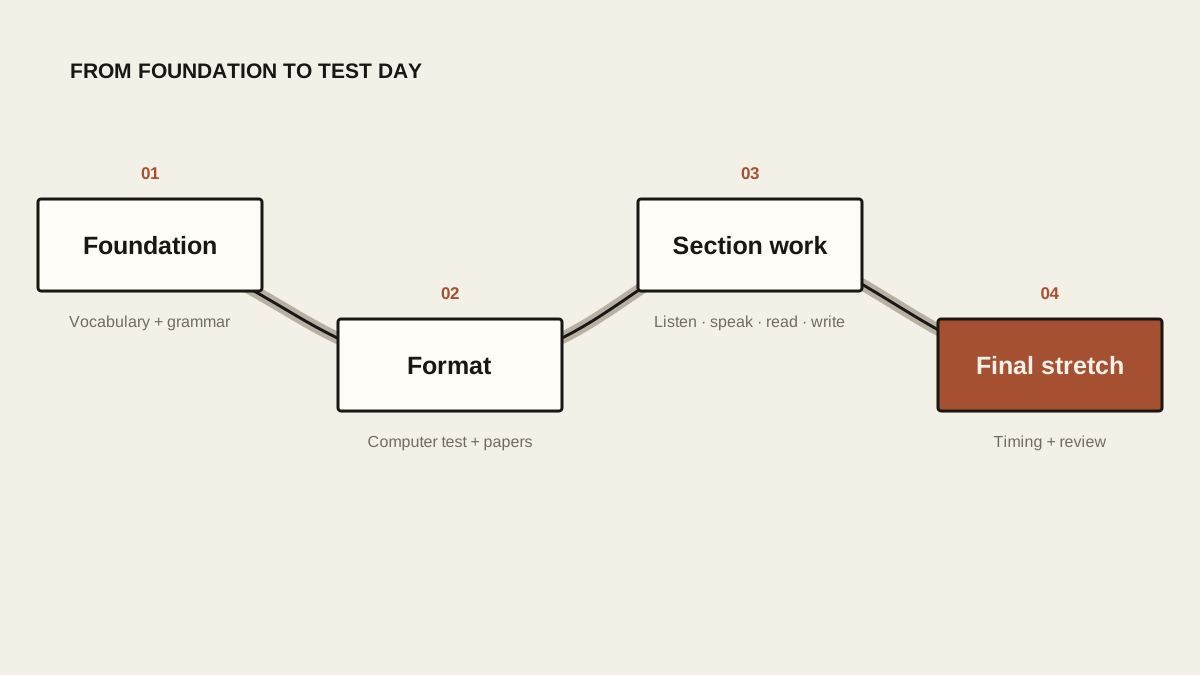
The Overall Plan

  1. Build a foundation: vocabulary and grammar.
  2. Get to know the computer-based format and your materials: pick a mock-test site and the Cambridge IELTS books.
  3. Work on each section: listening, reading, writing and speaking.
  4. The final stretch: strict timing, a close look at every mistake, and a run through the speaking question bank.
A four-stage IELTS route: build foundations, learn the format, practise each section, and prepare for the final stretch
Figure: Foundations first, then the test format, then each section, and strict timing at the end.

Don’t skip the foundation. Once the basics are solid, everything after it goes much faster. Depending on where you’re starting from, give it two to six months.

And one thing to keep in mind from day one: at its heart, IELTS is a test of recognizing paraphrases.

Building the Foundation

Vocabulary

Rough minimums to aim for:

Target bandReference vocabulary size
6.07,000+
6.57,500+
7.08,000+

What worked for me:

  • Pick a daily load you can actually keep up. I reviewed about 300 words a day and ended up with a vocabulary of more than 9,000.
  • Any mainstream vocabulary app will do, such as Shanbay or Bubei.
  • The Daily English Listening app can estimate your vocabulary size.
  • Check in every day, right up until a week before the exam.

Grammar

Build it up in this order:

  1. The five basic sentence patterns.
  2. Conjunctions, to join simple sentences into longer ones.
  3. Clauses.
  4. Then the less central topics, such as the subjunctive.

What grammar should give you is the ability to spot the backbone of a long, tangled sentence quickly. Memorizing rules is beside the point.

A good self-test: ask an AI to generate some long sentences, mark the main structure yourself, then have the AI check and correct you.

For a free course, try 《半个月搭建你的语法体系》 (“Build Your Grammar System in Half a Month”) by the Bilibili creator “Larry 想做技术大佬.”

Computer-Based Practice

New Oriental’s IELTS Mock-Test Site

  • Website: ieltscat.xdf.cn
  • Covers listening, reading and writing mock tests.
  • Great for getting used to the computer-based interface and the full flow of the test.

Listening

Daily Practice

  • Find material at the right level in a listening app. I recommend CNN 10.
  • After a Cambridge listening test, go back and do intensive listening: play a sentence, write it down, repeat. To be honest, I never tried this myself, but I’m told it’s how most people practise.
  • Practise until your grammar reflexes get fast. Often the problem isn’t that the speaker is too quick, but that the meaning of the sentence doesn’t land in time.

What Separates a 6 From a 7

  • Band 6 listening leans on catching keywords.
  • Band 7 listening means following what a whole passage is saying.

Using the Past Papers

  • Start with Cambridge IELTS 10 and the books after it.
  • The older Cambridge IELTS 4–7 are fine for extra practice. Some of their questions don’t match today’s exam very well, so don’t worry too much about poor results on them.

Reading

Using the Past Papers

  • Again, start with Cambridge IELTS 10 and later.
  • If you have time, the earlier books are worth doing too.

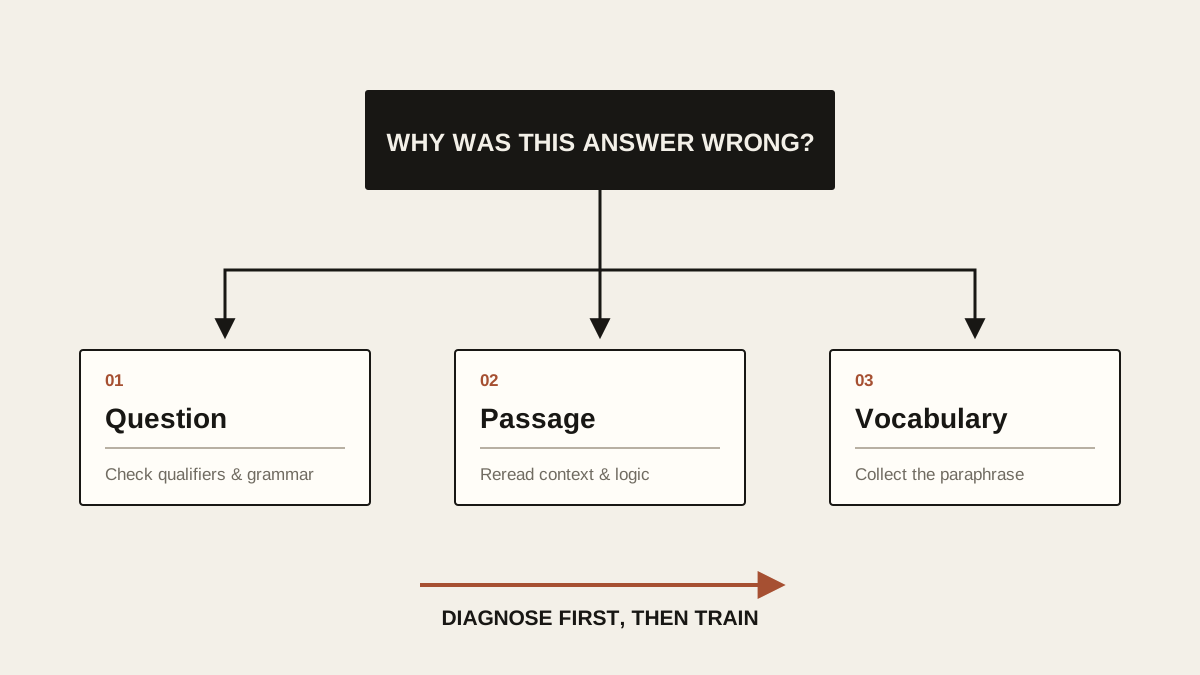
Where Wrong Answers Usually Come From

  1. Misreading the question: you skipped a word, or weak grammar led you to misunderstand what was being asked.
  2. Misreading the passage: you missed part of a paragraph, or found the right sentence but didn’t understand it.
  3. Not enough vocabulary: you didn’t recognize the paraphrase linking the question to the passage.
An IELTS reading error tree checking question comprehension, passage comprehension, and vocabulary
Figure: Before redoing a question, work out why you got it wrong: the question, the passage or the vocabulary.

What Listening and Reading Have in Common

  • Get your vocabulary and grammar solid before you study test technique.
  • For an online course, try the Bilibili creator “天狗吃月亮,” especially for marking keywords and spotting paraphrases.
  • At first you can practise reading without a timer. If your accuracy is high when time doesn’t matter, your foundation probably isn’t the problem.
  • Whether to time yourself from the start depends on you. But from two months before the exam, you must practise under the official time limits.
  • Leave Xiahua Listening and ZYZ Reading until you’ve finished the Cambridge books. The Cambridge books alone are enough to prepare you for the real exam.

Writing

How to Study

  • Search for Simon on Bilibili and learn his four-paragraph structure, plus the different question types for Task 1 and Task 2.
  • Opinions on Simon’s system vary online, but I used his templates and scored 6.5 in writing. For most candidates, that’s already enough.

Essay Feedback

  • essay.art: completely free. My essays usually got 6.0 there; my real writing score was 6.5.
  • ielts9.me: the first essay is free, after that you pay. Its scores are more accurate.

Speaking

  • Once your grammar and vocabulary are in place, find people from other countries to chat with on an online platform and practise real conversation.
  • If you get nervous at first, have an AI give you a topic and record yourself talking into your phone.
  • Start working through the speaking question bank a month before the exam. I used IELTS Bro (雅思哥).
  • Never memorize other people’s answers. Wherever you can, answer from your own experience.
  • The test has three parts. Part 1 is everyday questions. In Part 2 you get a topic, one minute to make notes, and then two minutes to talk. Part 3 digs deeper into related issues. To me, Part 2 matters most: speak for at least 1 minute 40 seconds, and ideally the full two minutes.
  • Collect the speaking questions and send them to an AI, and ask it to suggest material and expressions based on your own life. Because it can draw on your chat history, it may turn up a Part 2 story that fits, sometimes one you’d forgotten you had.
  • If you can, avoid sitting the speaking test during a question-change season. These usually come in January, May and September.
An IELTS speaking loop: prepare a real story, speak under time, review the recording, revise and repeat
Figure: Pick a real story, speak for two minutes, listen back, fix one thing, and go again.

The Timeline

StageWhat to do
Foundation (about 2–6 months)Build vocabulary and grammar; practise untangling long, difficult sentences
Every dayVocabulary review, intensive listening, reading post-mortems, speaking practice
Two months outStart strict timed practice for reading and listening
One month outWork through the speaking question bank, building answers around your own experiences
One week outDrop the daily vocabulary check-in; focus on getting into good shape and reviewing everything

A Few Last Words

Looking back, only a handful of things really made the difference. Foundation first: without solid vocabulary and grammar, no technique works reliably. Build your skill on real past papers: finish the Cambridge books before reaching for anything else. Be specific when you review: for every wrong answer, work out whether it came from vocabulary, grammar, comprehension, locating information or time. And in speaking, tell the truth: skip the memorized templates and build your answers around your own life.

Above all, it comes down to execution. Finishing your first full practice test, or saying your first sentence of English out loud, is already the step that matters most. Getting each day’s work done usually beats endlessly hunting for new materials and new tricks.

我自学雅思,首考 7.0,一分钱没花。这篇把我用过的方法、资源和分数参考都整理在这里。观点只代表我个人,不是官方标准;文中的网站现在还能不能用、机经题库新不新,我也没有再去逐一核实。

先说工具

  • 机考模拟:ieltscat.xdf.cn
  • 作文批改:essay.art(免费),ielts9.me(付费)
  • 官方题以外的练习:虾滑听力、ZYZ 阅读

虾滑和 ZYZ 属于“机经”,是考过的人凭记忆整理出来的考场原题,有一定概率在考场上碰到。剑桥雅思(剑雅)是官方每年出的真题集,里面的题不会在考场上再出现。即便如此,我还是建议先把剑雅做完,再去刷机经。

整体路线

  1. 打基础:词汇 + 语法。
  2. 熟悉机考和备考资料:选好模拟网站和剑桥雅思真题。
  3. 分项练习:听力、阅读、写作、口语。
  4. 考前冲刺:严格限时,复盘错因,过口语题库。
雅思备考四阶段路线:打基础、熟悉机考、分项练习和考前冲刺
图:先打基础,再熟悉考试形式,然后分项练习,最后严格限时冲刺。

基础这一步最不能省。底子打牢了再进入正式备考,效率会高很多。按自己的水平,给基础期留出 2~6 个月。

还有一句话请先记住:雅思考的核心,就是同义替换。

基础:词汇和语法

词汇

词汇量的最低参考标准:

目标分数参考词汇量
6.07,000+
6.57,500+
7.08,000+

我的建议:

  • 每天背多少,量力而行。我每天复习 300 个左右,最后词汇量到了 9,000 多。
  • 背单词的 App 用主流的就行,比如扇贝单词、不背单词。
  • 想知道自己的词汇量,可以用“每日英语听力”测一下。
  • 每天打卡,一直坚持到考前一周。

语法

建议按这个顺序搭起来:

  1. 五种简单句。
  2. 连词:把简单句连成长句。
  3. 从句。
  4. 最后再看虚拟语气这类相对次要的语法点。

学语法不是为了背规则,而是为了练出一种能力:看到一个长难句,能很快抓住它的主干。

有个自测办法:让 AI 生成一些长句,自己先把主干标出来,再让 AI 检查、批改。

免费课程推荐 B 站 UP 主“Larry 想做技术大佬”的《半个月搭建你的语法体系》。

机考练习

新东方雅思机考网站

  • 网址:ieltscat.xdf.cn
  • 可以练听力、阅读和写作的模拟考。
  • 用来熟悉机考界面和完整的考试流程,很合适。

听力

日常训练

  • 在听力 App 里找难度合适的材料,我推荐 CNN 10。
  • 做完剑雅的听力题,可以再精听一遍:听一句,写一句。说实话这个方法我自己没试过,但听说大家都是这么练的。
  • 多练,练出对语法的快速反应。很多时候听不懂,不只是因为语速快,而是句子的意思没能及时反应过来。

6 分和 7 分差在哪

  • 听力 6 分:更多靠抓关键词。
  • 听力 7 分:能听懂整段话在说什么。

真题怎么用

  • 建议从《剑桥雅思 10》及之后的真题开始。
  • 更早的《剑桥雅思 4~7》可以当补充练习。有些题目和现在的考试差别比较大,做得不好不用太在意。

阅读

真题怎么用

  • 同样建议从《剑桥雅思 10》及之后开始。
  • 时间充裕的话,更早的几本也可以做。

错题通常错在三个地方

  1. 题目没读懂:漏看了词,或者语法不扎实,把题意理解错了。
  2. 文章没读懂:段落信息没看全;或者明明定位到了答案句,却没读懂它的意思。
  3. 词汇不够:没认出题目和原文之间的同义替换。
雅思阅读错题诊断树:检查题目理解、文章理解和词汇不足
图:重做之前,先弄清楚错在哪:题目、文章,还是词汇。

听力和阅读的共同点

  • 先打牢词汇和语法,再学做题技巧。
  • 网课推荐 B 站 UP 主“天狗吃月亮”,重点学怎么划关键词、怎么识别同义替换。
  • 阅读刚开始可以不限时。不限时的情况下正确率已经挺高的话,说明基础问题不大。
  • 要不要一开始就限时,看个人情况。但考前两个月,一定要开始严格按正式考试的时间做题。
  • 虾滑听力和 ZYZ 阅读,等剑雅做完再考虑;单靠剑雅,应付真实考试已经够了。

写作

学习方法

  • 在 B 站搜 Simon,学他的四段式结构,以及大作文、小作文的各种题型。
  • 网上对 Simon 这套体系评价不一,但我用他的模板,写作拿了 6.5。对大部分考生来说,这已经够用了。

作文批改

  • essay.art:完全免费。我的作文在上面一般给 6.0,真实考试写作是 6.5。
  • ielts9.me:第一篇免费,之后要付费,打分相对更准。

口语

  • 词汇和语法的基础打好以后,可以去线上平台找外国人聊天,练真实的交流。
  • 一开始容易紧张的话,可以先让 AI 帮你出话题,然后对着手机录屏练。
  • 考前一个月开始过口语题库,我用的是“雅思哥”。
  • 千万别背别人的答案,尽量用自己的真实经历来回答。
  • 口语分三部分:Part 1 是日常问答;Part 2 给你一个话题,有 1 分钟准备、记笔记,然后讲 2 分钟;Part 3 会围绕相关话题往深里问。我个人觉得 Part 2 最重要,至少要讲满 1 分 40 秒,最好讲满 2 分钟。
  • 可以把收集到的口语题发给 AI,让它根据你的经历帮你准备语料和表达。它会翻你们以前的聊天记录,给你推荐适合自己的 Part 2 素材;有时候连你自己都忘了,自己还经历过和题目对得上的事。
  • 条件允许的话,尽量避开换题季去考口语。换题季大致在每年 1 月、5 月和 9 月。
雅思口语训练闭环:准备真实故事、限时表达、回听诊断、修改重说
图:选一个真实的故事,讲两分钟,回听,改掉一个问题,再来一遍。

时间节点

阶段要做的事
基础期(约 2~6 个月)搭好词汇和语法体系,练习读懂长难句
每天坚持背单词、精听、阅读复盘、口语输出
考前两个月阅读和听力开始严格限时
考前一个月集中过口语题库,用自己的经历组织答案
考前一周可以停掉每日单词打卡,把精力放在调整状态和综合复习上

最后几句

回头看,真正起作用的就那么几件事。基础优先:词汇和语法不牢,技巧很难稳定地发挥作用。用真题练能力:先把剑雅吃透,再考虑别的资料。复盘要具体:每道错题都要分清,到底错在词汇、语法、理解、定位,还是时间不够。口语讲真话:不背模板,围绕自己的经历组织内容。

最重要的,还是执行力。做完第一套真题,开口说出第一句英语,你就已经迈出了关键的一步。每天把当天的任务做完,往往比没完没了地找新资料、新技巧有用得多。

Solo Trip个人旅行

Singapore and Japan in 2025 — five stops, travelling alone.2025 年,一个人走过新加坡与日本的五个地方。

01

Singapore新加坡

The Merlion and Marina Bay Sands at night Looking down over Singapore's red-roofed shophouses and towers A red 珍珠坊 sign against a blue sky
02

Osaka大阪

Tsutenkaku Tower lit up at night in Shinsekai A stone stairway lined with lanterns through the trees The Glico running man and the neon of Dotonbori at night
03

Kyoto京都

Kinkaku-ji, the Golden Pavilion, reflected in its pond A crimson sunset over Gion-Shijo Station A vermilion two-storey gate above a flight of stone steps
04

Mount Fuji富士山

Snow-capped Mount Fuji reflected in a lake An autumn tree above a quiet square with a bench Red maple leaves over a carpet of yellow ginkgo
05

Tokyo东京

Tokyo Skytree at dusk across the river Shibuya's neon-lit crossing at night Tokyo Tower under a cloudy sky